Refitting the Electrical Panel on an Older Yacht: A Practical Guide
Every device added over the years makes the original panel a little more tangled. Past a certain point, the safest and most economical fix is a planned, full refit rather than another patch.
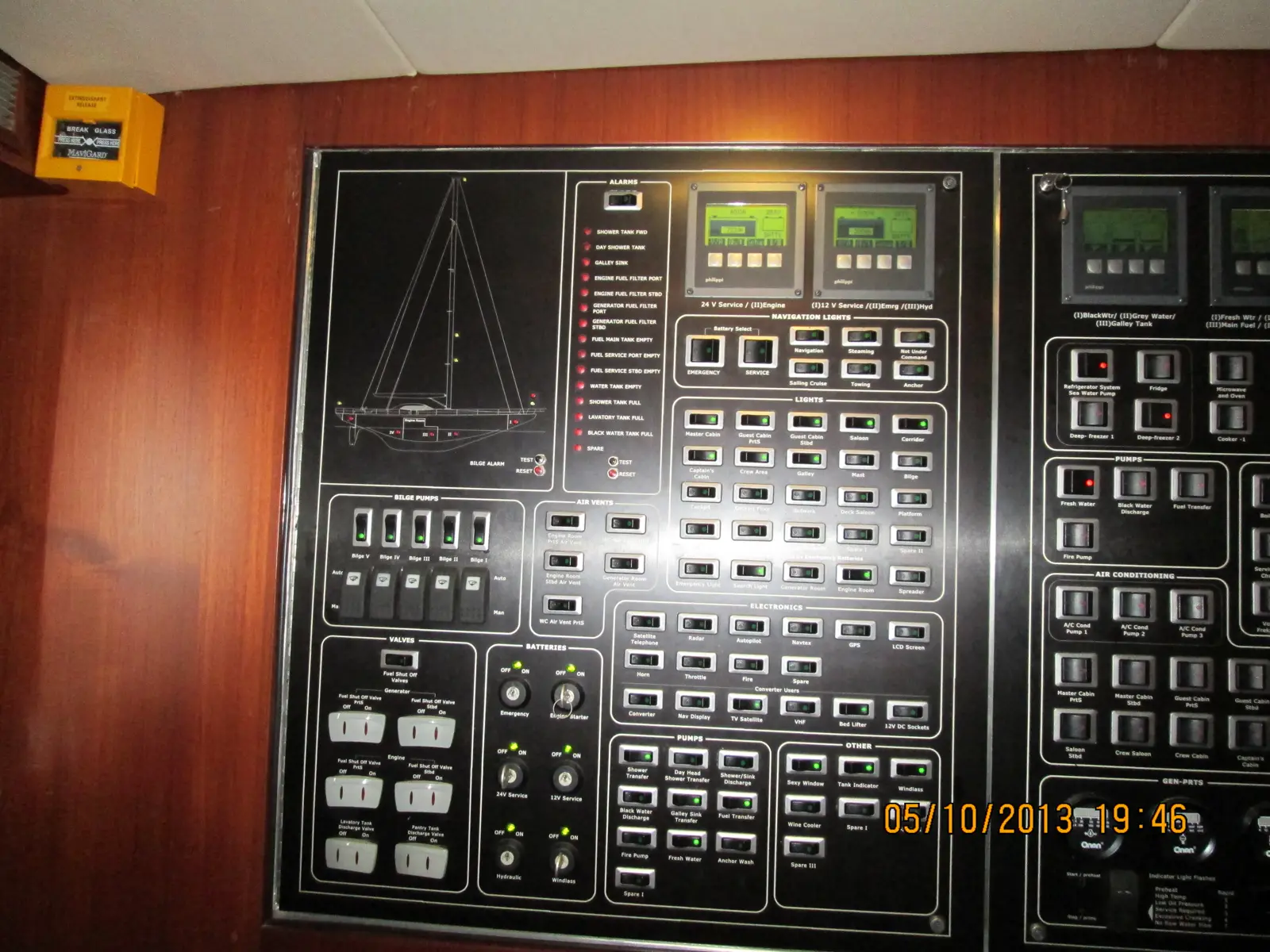
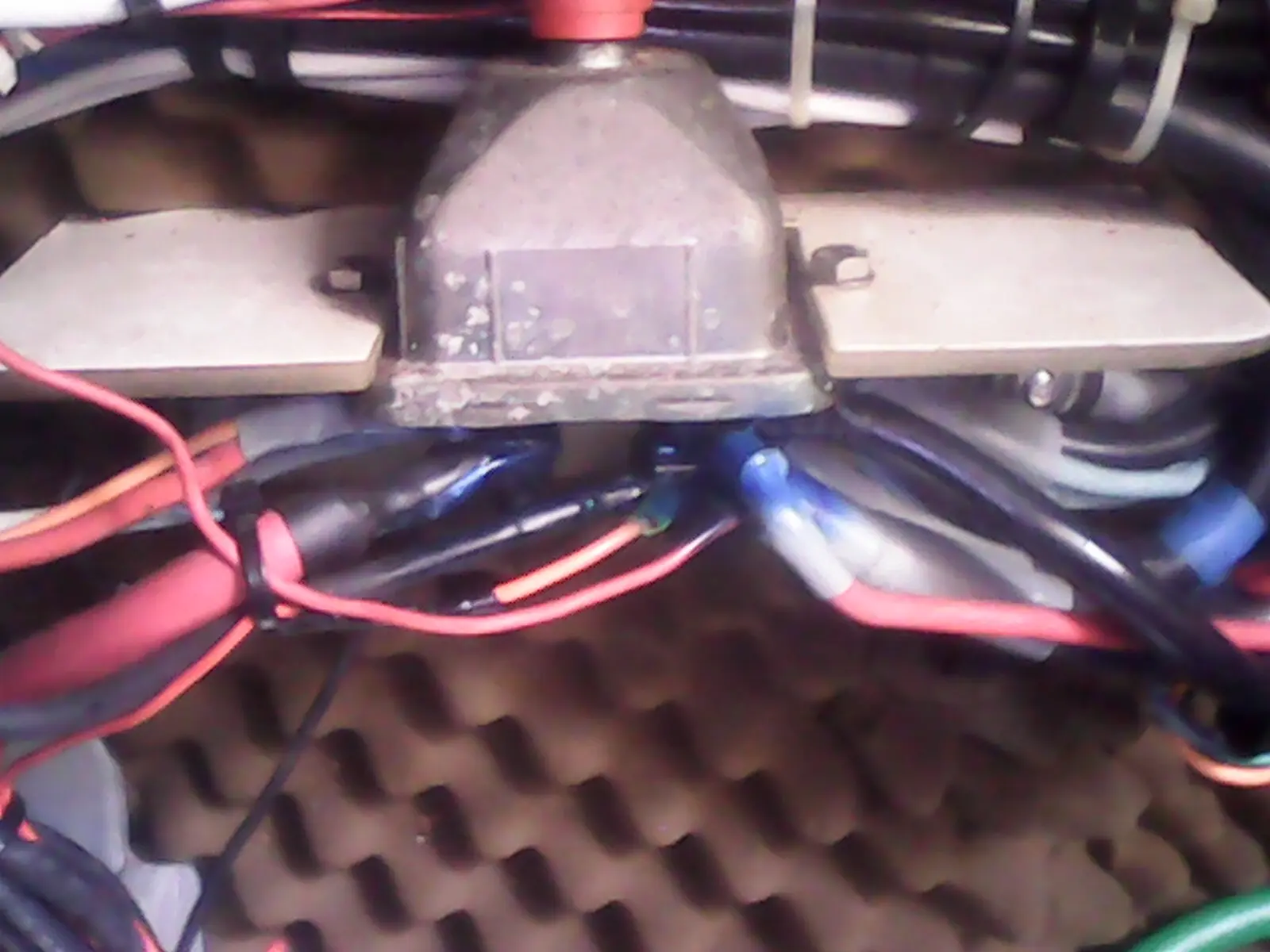
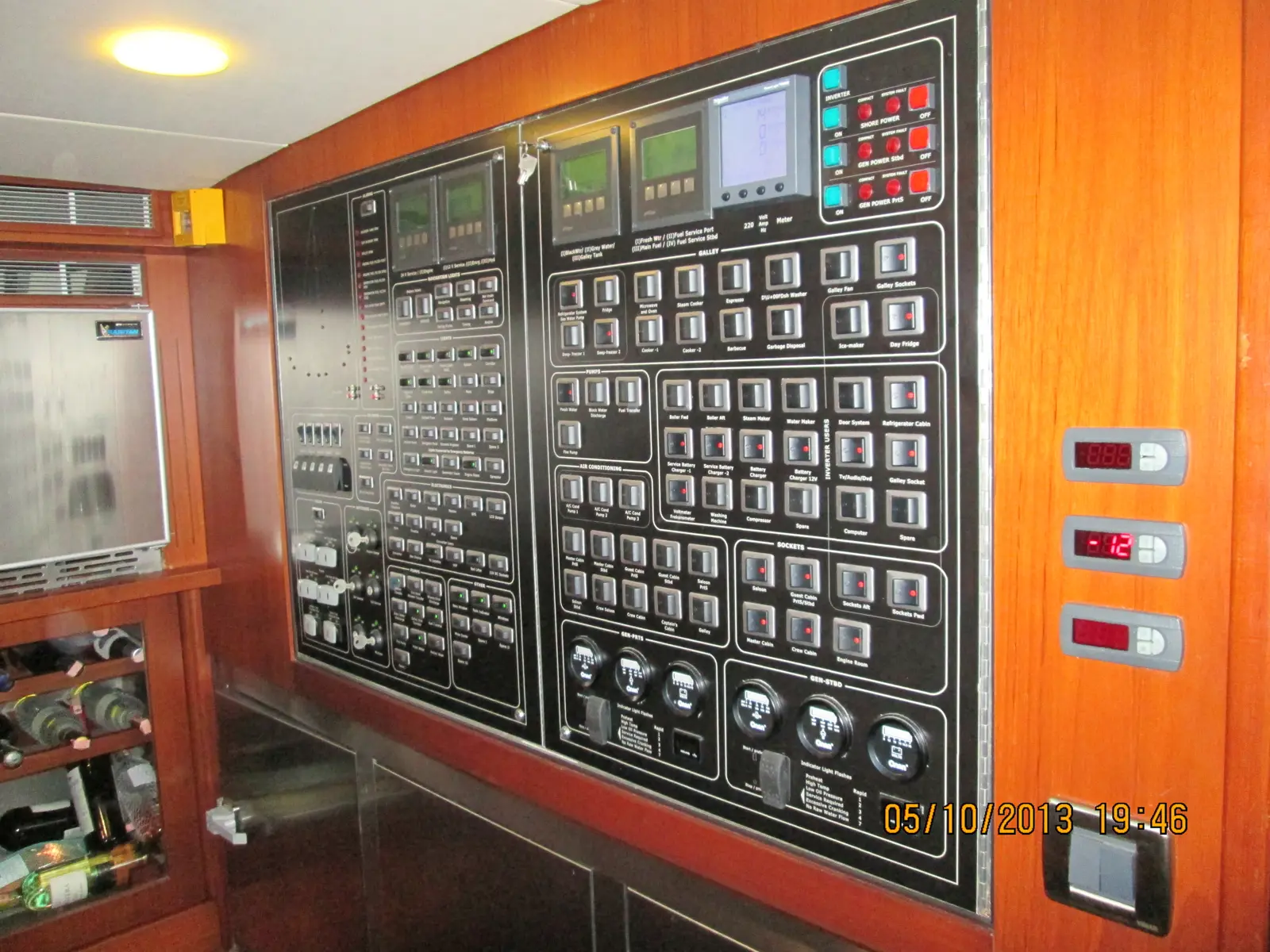
The electrical panel on an older yacht often carries the fingerprints of every owner and every technician who has worked on the boat: fuses added at different times, labels long since worn away, cables tangled together. This isn't just a cosmetic problem — it makes fault-finding harder, increases the risk of a wrong intervention, and over time becomes a genuine safety issue. This guide covers when a full panel refit is worth it, how the process is planned, and what a properly built panel should offer.
When does a panel need a refit?
Not every older panel needs replacing, but when several of the following signs appear together, a comprehensive refit is usually the most economical path:
- Fuses or breakers have no labels, or the labels are no longer legible.
- The panel has "add-on" fuses and switches that clearly weren't part of the original design.
- Connection points show corrosion, discoloration or heat damage (melted plastic, scorch marks).
- The same circuit mixes cables of different gauges and inconsistent color coding.
- AC and DC distribution aren't clearly separated or marked within the same panel.
- Basic information such as battery monitoring or charge status is missing or unreliable.
The refit process, step by step
- Document the existing system. Before opening the panel, we photograph every circuit, cable and device and produce a single-line diagram — a reference document that also underpins future maintenance.
- Load analysis. We list every AC and DC consumer on board and note its current draw. This list determines the number of circuits and the fuse rating for each one on the new panel.
- Leave room to grow. The new panel is sized with some margin above current loads and a few spare circuit positions, so adding a device later doesn't mean reopening the panel.
- AC/DC separation and labeling. AC and DC distribution are clearly separated, every circuit gets a permanent, non-fading label matched to the single-line diagram.
- Fuse and circuit breaker selection. Every circuit's fuse rating is recalculated against its cable's current-carrying capacity; old fuses of unclear origin are replaced entirely.
- Cabling. Undersized or damaged cables are replaced and re-run with the correct cross-section and voltage-drop calculation; sound, clearly labelable cables are usually kept.
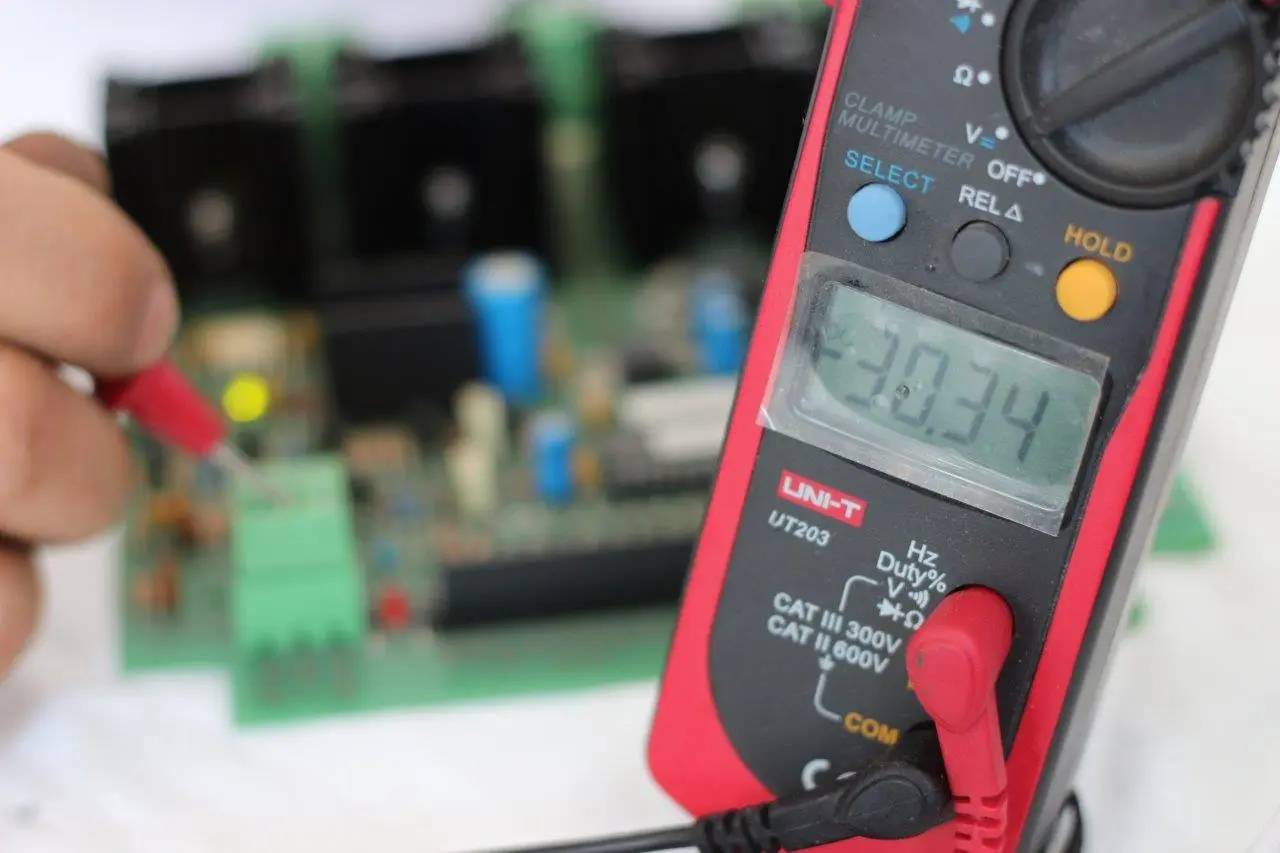
- Leakage and grounding checks. Before the new panel is commissioned, we run leakage current and grounding tests.
- Commissioning and testing. Each circuit is load-tested individually, indicators and alarms are verified, and the final single-line diagram is handed over.
What a new panel should offer
| Feature | Why it matters |
|---|---|
| Permanent, numbered labeling | Finds the right circuit quickly during a fault |
| Clear AC/DC separation | Prevents an accidental DC connection into an AC circuit |
| Correctly rated interrupt capacity | Ensures a safe opening during a short circuit |
| Moisture-resistant, corrosion-proof enclosure | Long service life in a salty, humid environment |
| Battery and charge status indicators | Makes the system's state visible in daily use |
| Accessible mounting location | Safe working space for maintenance and troubleshooting |
Thinking of AC and DC as separate domains
On a modern motor yacht, the panel usually carries both the AC side — fed from shore power and the generator — and the DC side, fed from the battery bank. During a refit, keeping these two sides in physically separate compartments, or at least clearly separated areas, makes a real difference to both safety and fault-finding. Correctly separated and color-coded protective earth, neutral and live connections on the AC side are a core requirement of ABYC E-11. On the DC side, each circuit's positive and negative return should remain clearly traceable.
Modular systems from quality panel manufacturers — Blue Sea Systems' panel range, for example — make this separation easier from the factory, with breakers, indicators and label fields arriving in a standard layout.
A good moment to review the battery and charging setup too
A panel refit is a good opportunity to review the battery bank and charging architecture as well. If a switch to lithium batteries is planned, the new panel's fuse ratings, indicators and cable routing should be designed around that transition from the start, rather than investing in a panel that will need reopening later.
Partial refit or full refit?
Not every boat's budget and schedule allow for a complete teardown, so a refit doesn't always mean replacing everything. We weigh the decision against a few questions:
- Is the enclosure and mounting point sound? If the panel body itself is corrosion-resistant and moisture-proof, renewing the internal layout alone is often enough.
- How many circuits are unlabeled or unclear? If it's a small minority, targeted repair works; if it's the majority, a full refit is the safer route.
- Is the AC/DC separation adequate? If not, partial repair won't fix this core safety issue — a full refit is needed.
- Are there future plans? A lithium conversion, an additional generator or a new electronics package makes it more economical to design the panel around those needs now than to reopen it in a couple of years.
Even in a partial refit, producing the single-line diagram and completing the labeling makes every future intervention easier.
Safety and sequencing during the refit
Never work on a live panel — that's the base rule. Our sequence is: first isolate the battery main switch and the shore power connection, then confirm with a voltmeter that the AC side is de-energized, and only then begin disassembly. Commissioning the new panel follows the reverse order: lower-risk DC circuits are tested one by one first, then AC distribution, and finally shore power or the generator connection is restored. This sequence protects both the crew working on it and the boat itself from a mistake along the way.
Common mistakes
- Reconnecting old, unlabeled cables into the new panel just because they "still work."
- Skipping the load analysis and sizing the panel by guesswork.
- Designing the panel at full capacity with no room to grow.
- Leaving AC and DC distribution insufficiently separated in the same compartment.
- Finishing the refit without updating the single-line diagram, making the next fault-finding job harder.
A properly planned panel refit lifts more than just appearance — it raises the reliability of the whole electrical system: fault-finding takes minutes, adding a new device becomes straightforward, and fuse/cable matching keeps working trouble-free for years.
Panel refits done right, with Aslan Yacht
From our workshop in Turgutreis we travel to the marinas and boatyards across the Bodrum peninsula to assess old panels on site, running documented and clearly labeled refit projects. Learn more about our yacht electrical service or get in touch about your panel.
Frequently asked questions
Wouldn't it be enough to just repair the faulty sections instead of refitting the whole panel?
For small, isolated faults, local repair makes sense. But if the panel has passed through several owners and technicians with unlabeled, tangled wiring, piecemeal repairs usually cost more in the end and don't resolve the hidden risks.
How long is the boat out of service during a panel refit?
It depends on the panel's size, the number of circuits and how much material was prepared in advance — anywhere from a few days on a small sailboat to over a week for a comprehensive motor yacht refit. An on-site survey is needed for a firm timeline.
Should the old cabling also be replaced when a new panel is fitted?
Not necessarily all of it. Cables with adequate cross-section, sound insulation and that can be clearly re-labeled are usually kept; only undersized, damaged or unidentifiable cables are renewed.