Why motor yacht electrics are different
A motor yacht's electrical system resembles the infrastructure of a small building. The 230 V or 400 V AC side runs air conditioning, water heaters, galley equipment, washing machines and the watermaker; the 24 V DC side carries navigation electronics, pumps, control circuits and often the bow and stern thrusters. Generators, shore power, inverters and chargers tie these two worlds together, and that is where most faults show up.
At Aslan Yacht we start every motor yacht job with a load list: which consumer is fed from which busbar, through which fuse, and how much power is drawn at once. Without that table, every intervention is a guess.
Generator, shore power and ATS
The most critical point on a motor yacht is the changeover between power sources. Shore power, one or two generators and sometimes an inverter all feed the same AC panel. Manual selector switches, automatic transfer switches (ATS) or power management systems must guarantee the two sources are never paralleled.
Work we do in this area:
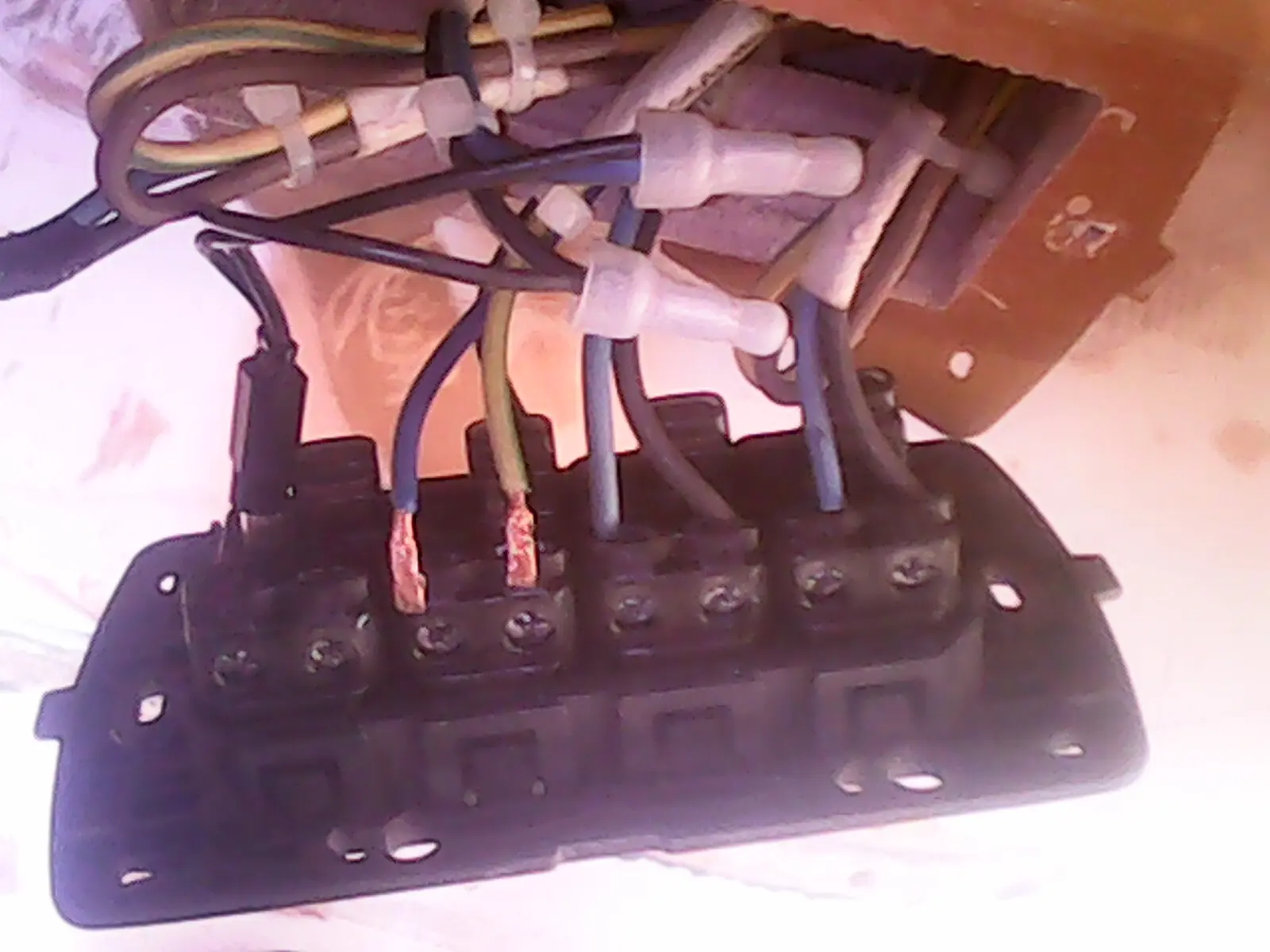
- Checking ATS and contactor panels, testing the mechanical and electrical interlock
- Measuring generator output voltage, frequency and voltage regulation under load
- Checking phase rotation, neutral-earth bonding and earth leakage protection devices
- Installing galvanic isolators or isolation transformers on the shore power inlet
- Fault-finding on generator start, charge and control circuits
We cover the mechanical maintenance side in our generator maintenance checklist. For the safe use of 16 A, 32 A and 63 A marina connections, see our shore power guide.
High AC loads and load management
When several chillers or split units, an electric stove, oven, water heater and watermaker run together, current can easily reach 50–100 A, and compressor starting currents add a further spike on top. Once the marina pedestal's capacity or the generator's output is exceeded, breakers trip, voltage sags and sensitive electronics are affected.
The fix is usually better load management rather than a bigger source: a priority relay to shed some loads, soft starters on compressors, staggering the AC units, or connecting to shore power at the correct amperage. Cable sizing and fuses need re-checking against these loads too.
Stabilizer and trim systems
Much of a motor yacht's comfort comes from stabilisation. We check the supply, cooling pump and control connections of Seakeeper gyroscopic stabilizers and schedule maintenance to the manufacturer's service intervals. On Zipwake interceptor systems we work on the control unit, actuator connections and calibration steps. For the full range of stabilizer and trim work, see our stabilizer and trim service page.
Bow and stern thrusters
Bow and stern thrusters draw very high current for short periods; a 24 V thruster pulling hundreds of amps is normal. That makes cable sizing, the main fuse, battery capacity and contactor condition critical. Carbon build-up on contactor contacts, a weak battery or long, thin cables cause the thruster to lose power or fail to run at all. We cover this in detail in our bow thruster electrical systems article.
AV, networking and helm electronics
TVs, audio systems, Wi-Fi, 4G/5G routers and satellite antennas are now standard on motor yachts. At the helm, MFDs, radar, AIS, autopilot and engine data talk over NMEA 2000 or Ethernet. A clean power supply, correct grounding and a tidy network architecture eliminate most of what looks like "random" freezing and rebooting. For electronics work, see our electronics and navigation page.
Underwater and exterior lighting
Underwater LEDs shape a motor yacht's night-time look, but they are a technical system requiring a through-hull fitting, heat management and driver electronics. We select fixtures and handle sealing, cable glands and driver installation, and we troubleshoot existing systems. See yacht lighting and our article on choosing underwater LED lighting.
Motor yacht electrical, electronics and mechanical: one team
In Bodrum and Turgutreis, boat electrical work can rarely be separated from mechanical work: a generator's seawater pump, a stabilizer's cooling circuit or a thruster's hydraulics all call for both skill sets. Because yacht electrical, marine electronics and yacht mechanical service sit in one team, we can pin down the source of a fault in a single visit. For pumps, A/C, hydraulics and winterization see Yacht Mechanical & Climate; if your boat runs on a different energy logic, take a look at our sailing yacht electrical page.
How we work
Most motor yacht work is done in season, while the boat is in use. We plan interventions together with the captain and keep critical systems (generator, air conditioning, stabilizer) offline for as short a time as possible. At the end of every job we report the measured values and the changes made.
For your motor yacht in Turgutreis, Yalıkavak or Bodrum, you can request service through our contact page.