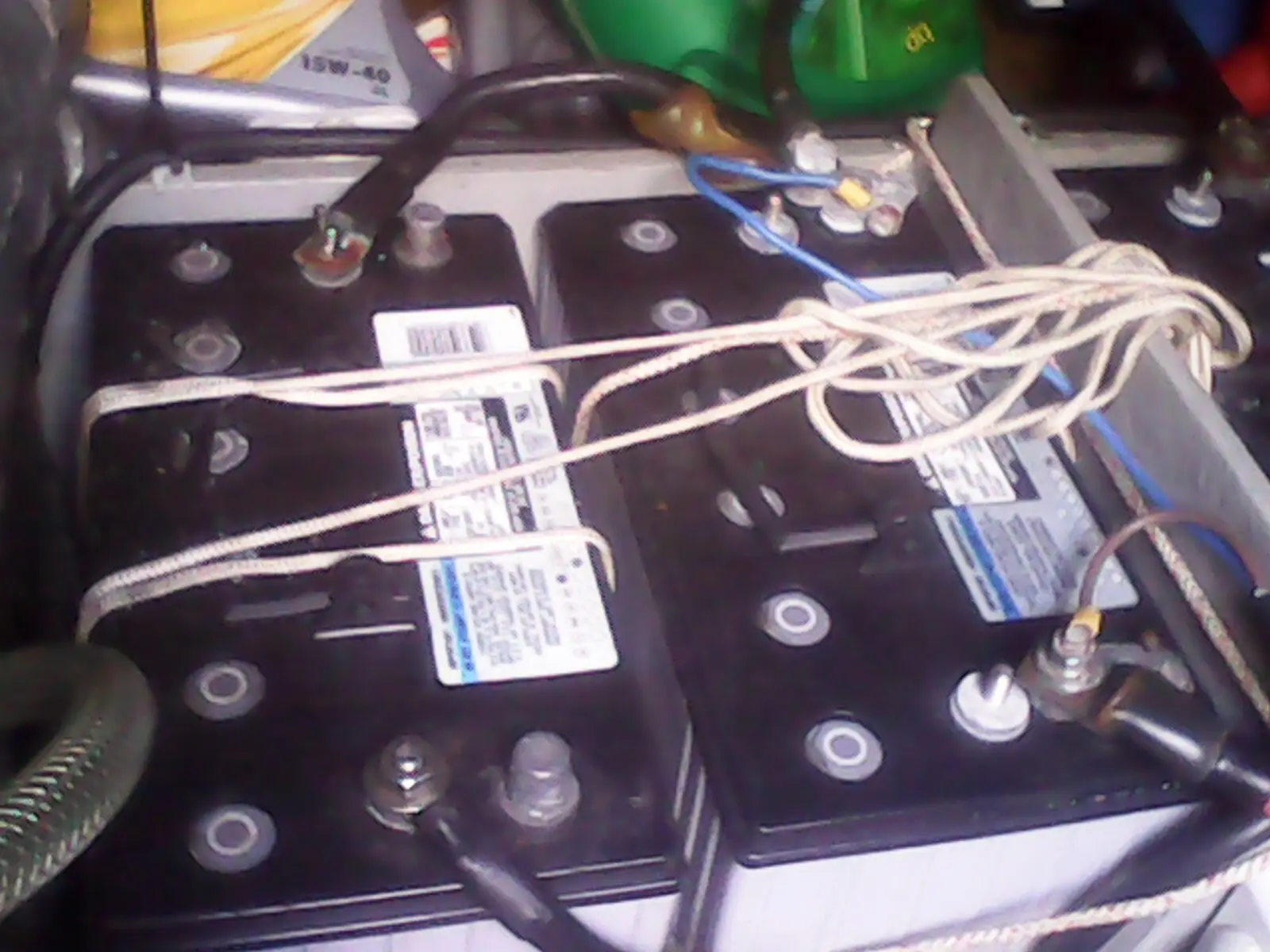
A yacht's comfort and safety both rest on a correctly sized energy system. From our workshop in Turgutreis, Aslan Yacht provides battery, charging and power management services for motor yachts, sailing yachts, gulets and catamarans across the Bodrum peninsula. On every project we first work out daily energy consumption and available charge sources, then decide on battery type and inverter/charger capacity.
What we do
- Battery bank design and installation: choosing LiFePO4, AGM, gel or flooded batteries, sizing the bank and installing it.
- Lithium conversion: BMS integration, setting charge sources to a lithium profile and wiring the communication bus. We cover the process in our lithium battery conversion guide.
- Inverter / charger: Victron MultiPlus and Quattro installation, source selection (shore / generator / inverter) and commissioning.
- Alternator and DC-DC charging: external regulator installation and DC-DC chargers for fast, safe charging while the engine runs.
- Solar power: panel selection, layout and MPPT charge controller installation, especially on sailing yachts.
- Generator integration: automatic start/stop, load management and making the generator work smoothly with the inverter system.
- Monitoring and automation: battery monitor (shunt), Victron GX device and remote monitoring via VRM.
- Maintenance and fault finding: battery health testing, charge profile checks and consumption analysis.
When sizing the battery bank we work out daily consumption in Ah; the method is explained in our daily energy consumption calculation guide. We apply the same care to cable sizing and fuse selection: an undersized cable on a high-current battery bank means both voltage loss and a heating risk, so we calculate voltage drop separately for every run.
We also advise owners looking at hybrid and electric propulsion; unlike a conventional diesel drivetrain, the battery bank, charging and power electronics play a much larger role there. We cover the topic in hybrid and electric boat propulsion.
Typical faults we solve
- Batteries discharging faster than expected even though they read fully charged.
- The inverter shutting down or faulting under load.
- The charger failing to fully charge the battery, never reaching the "float" stage.
- Solar output staying low even at midday (shading, cable sizing or controller settings).
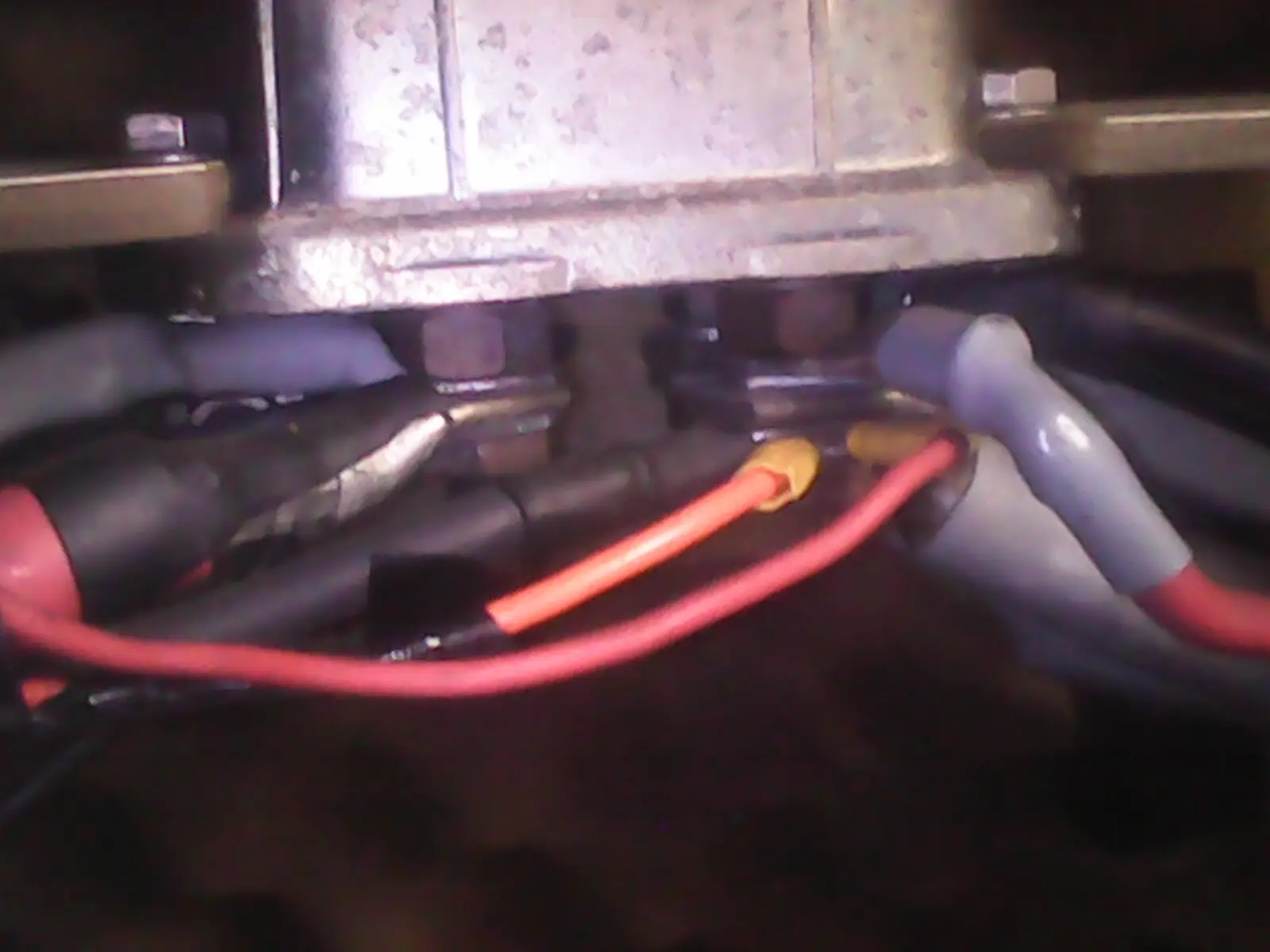
- The alternator overheating or delivering less current than expected.
- A brief dropout or sync issue when switching between generator and inverter.
Correct maintenance is essential to extending battery life; we cover AGM, gel and flooded battery care in our battery maintenance article.
Protection and safety
The biggest risk in an energy system comes from large battery banks capable of high short-circuit currents. That's why every installation follows these principles:
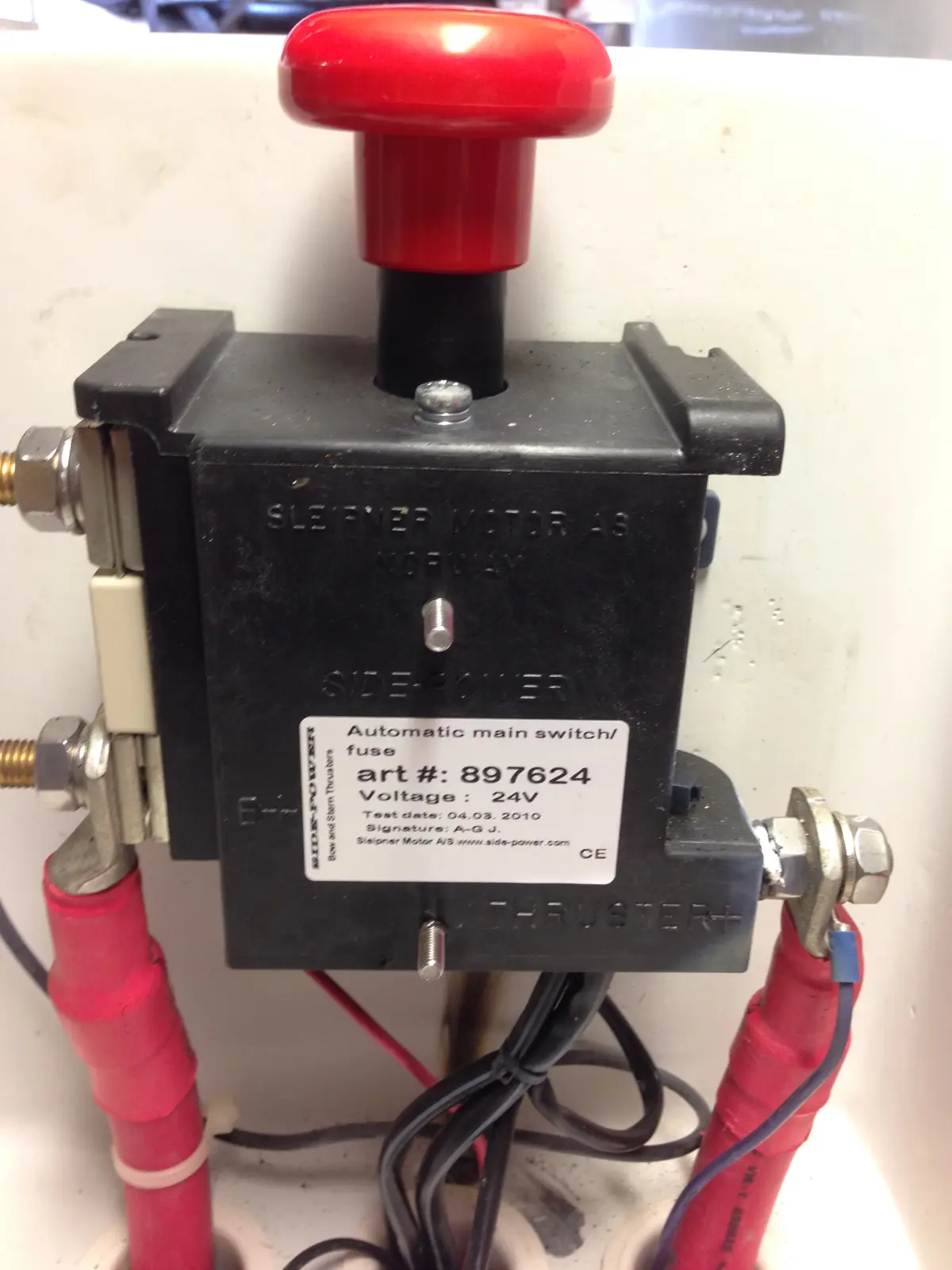
- The battery bank's positive terminal is protected as close to the source as possible by a Class T or MRBF fuse rated for the cable's ampacity.
- On lithium banks, we verify that the BMS's load and charge disconnect contacts communicate correctly with the inverter/charger.
- Ventilation and cable clearances around the inverter and charger follow the manufacturer's manual.
- The battery compartment is vented, gas-safe and isolated from bilge water.
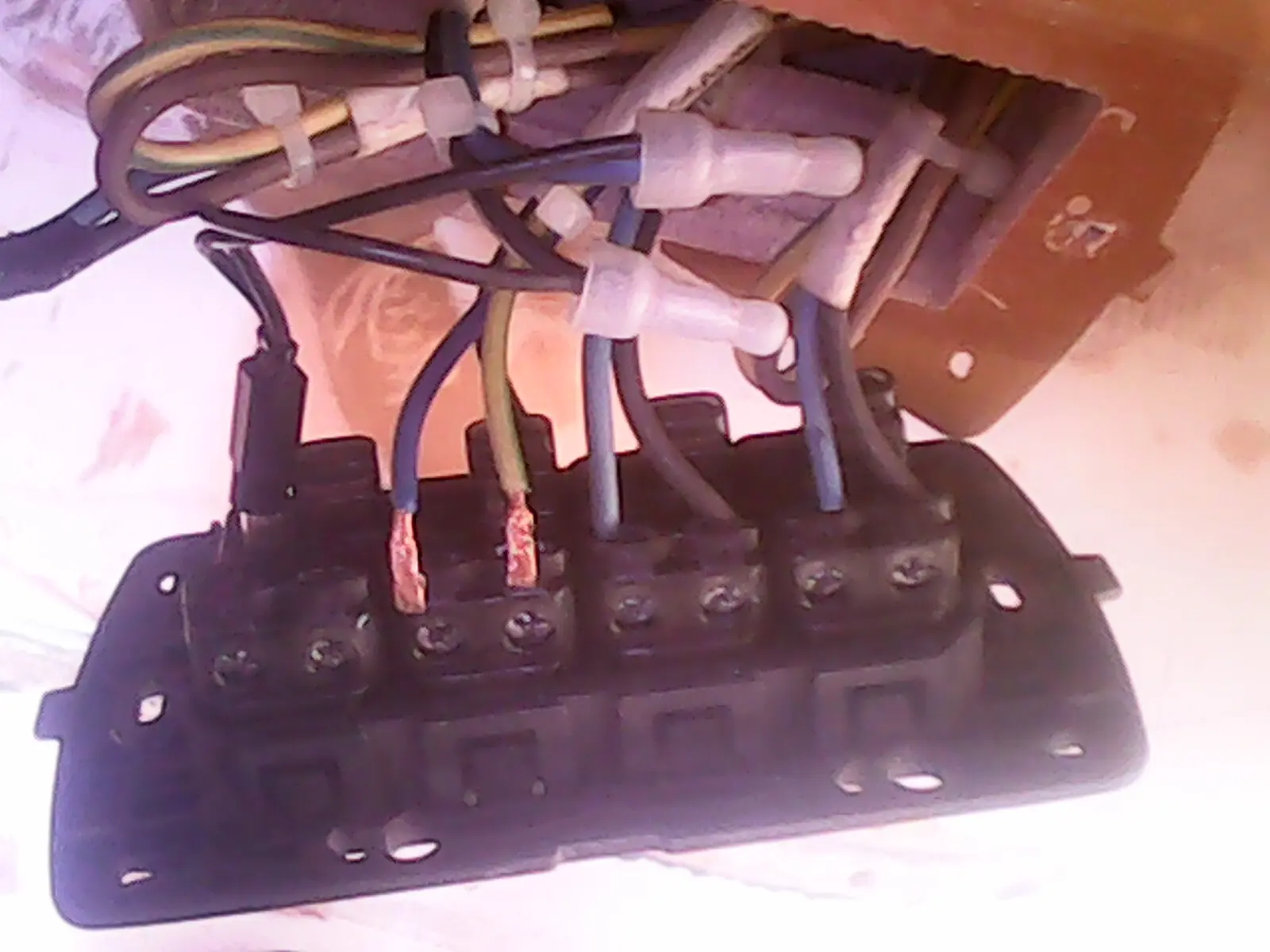
- All connections use crimped lugs and adhesive heat-shrink, with periodic torque checks recommended.
Our process on board
- Consumption and source analysis: we list the existing loads, the daily usage profile and the available charge sources.
- Measurement: battery voltage, internal resistance, charge/discharge currents and cable voltage drop are measured.
- Sizing and recommendation: we present reasoned options for battery bank size, inverter/charger capacity and charge sources.
- Installation: tinned copper cable, correct fuse protection (Class T, MRBF) and mounting to the manufacturer's installation manual.
- Commissioning and testing: charge profiles are programmed, tested under load and verified through VRM or the monitor.
Brands we work with
We work extensively with Victron Energy for inverter/chargers (MultiPlus, Quattro), MPPT solar controllers, battery monitors and GX/VRM monitoring, referencing Victron's official product documentation. We also factor high-demand diesel cabin heaters and air-conditioning equipment into the overall system design. For general boat electrical and yacht electrical wiring principles, see our Yacht Electrical page.
Motor yachts vs sailing yachts
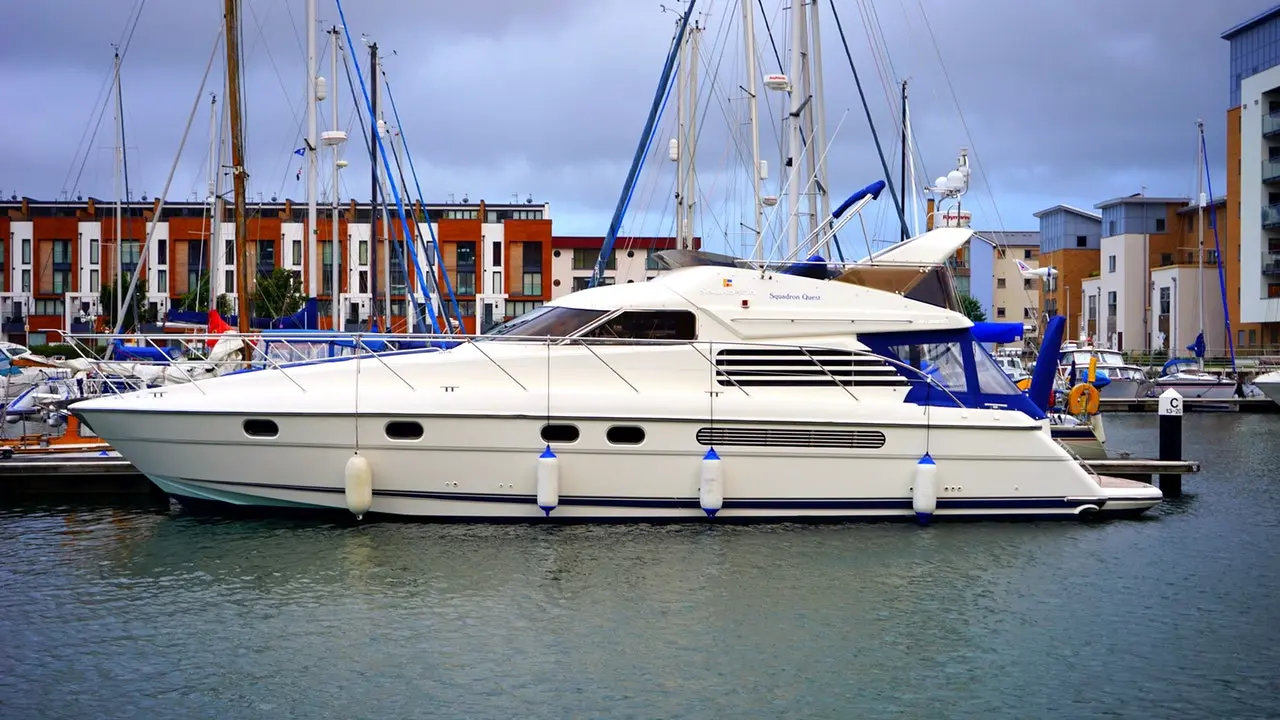
Motor yachts typically carry larger generators and higher-power inverters (5–15 kVA); with air conditioning, galley and hydraulic units able to run simultaneously, source selection and phase balance matter.
Sailing yachts have limited power generation, so solar, a hydro-generator or a wind turbine become important supplementary sources, and every Ah has to be used efficiently. Solar and MPPT installation details are in our solar power on sailing yachts article. We compare the energy needs of both boat types in motor yacht vs sailing yacht electrical needs.
How to decide by measurement whether your battery is due for replacement is explained in our article on boat battery replacement.
Service area
Our workshop is in Turgutreis. We work on board at Turgutreis D-Marin, Yalıkavak Palmarina, Milta Bodrum Marina, Gümüşlük bay and the boatyards around the peninsula. Checking the battery and charging system at season opening prevents unexpected energy problems through the season; our season commissioning checklist helps with that planning. Winter lay-up is a better time for battery maintenance and lithium conversion since the boat is not in use. To arrange an energy system installation or fault diagnosis, reach us through our contact page.