Hybrid and Electric Boat Propulsion Systems: The Essentials
The electrification wave from the automotive world is now reaching yachts too. We explain how hybrid and electric propulsion systems work and what loads they add to a boat.
The electrification wave that started with cars is now reaching the yacht world too, from tenders to mid-size motor yachts, in the form of hybrid and electric propulsion systems. But running an electric motor on a boat brings very different battery, charging and safety requirements than it does on land. This article covers the basic architectures, the battery and charging infrastructure, and what to realistically expect.
Hybrid and fully electric architectures
A few basic approaches stand out in boat propulsion systems:
- Series hybrid: A diesel generator produces electricity, that energy feeds the battery bank, and an electric motor turns the propeller directly. The diesel engine is never mechanically connected to the shaft.
- Parallel hybrid: The diesel engine and the electric motor share the same shaft line; silent electric cruising is available at low speed, while diesel propulsion takes over at higher speed or on longer legs.
- Fully electric: Only an electric motor and battery bank are fitted, with no diesel backup; range depends entirely on battery capacity, and this setup is generally chosen for tenders, day boats or short-range use.
What these architectures have in common is that they require high-voltage DC systems designed to ABYC standards, substantial battery banks, and a battery management system (BMS) to protect them.
Boat type is also a deciding factor when choosing an architecture. On sailing yachts, letting the electric motor free-spin while under sail to generate some power (hydro-regeneration) can be a meaningful contribution; on motor yachts, weight and volume constraints usually make battery bank size the limiting factor. On catamarans, batteries and motors split between the two hulls make weight balance easier, so hybrid systems are relatively more common on this boat type.
Comparison table
| System | Range | Quietness | Complexity | Typical use |
|---|---|---|---|---|
| Series hybrid | Long as the generator runs | High in electric mode | High | Mid-to-large motor yacht |
| Parallel hybrid | Long, tied to diesel mode | High at low speed | Medium-high | Sportive motor yacht, sailing yacht |
| Fully electric | Limited, tied to battery capacity | Highest | Medium | Tender, day boat |
Battery bank and charging infrastructure
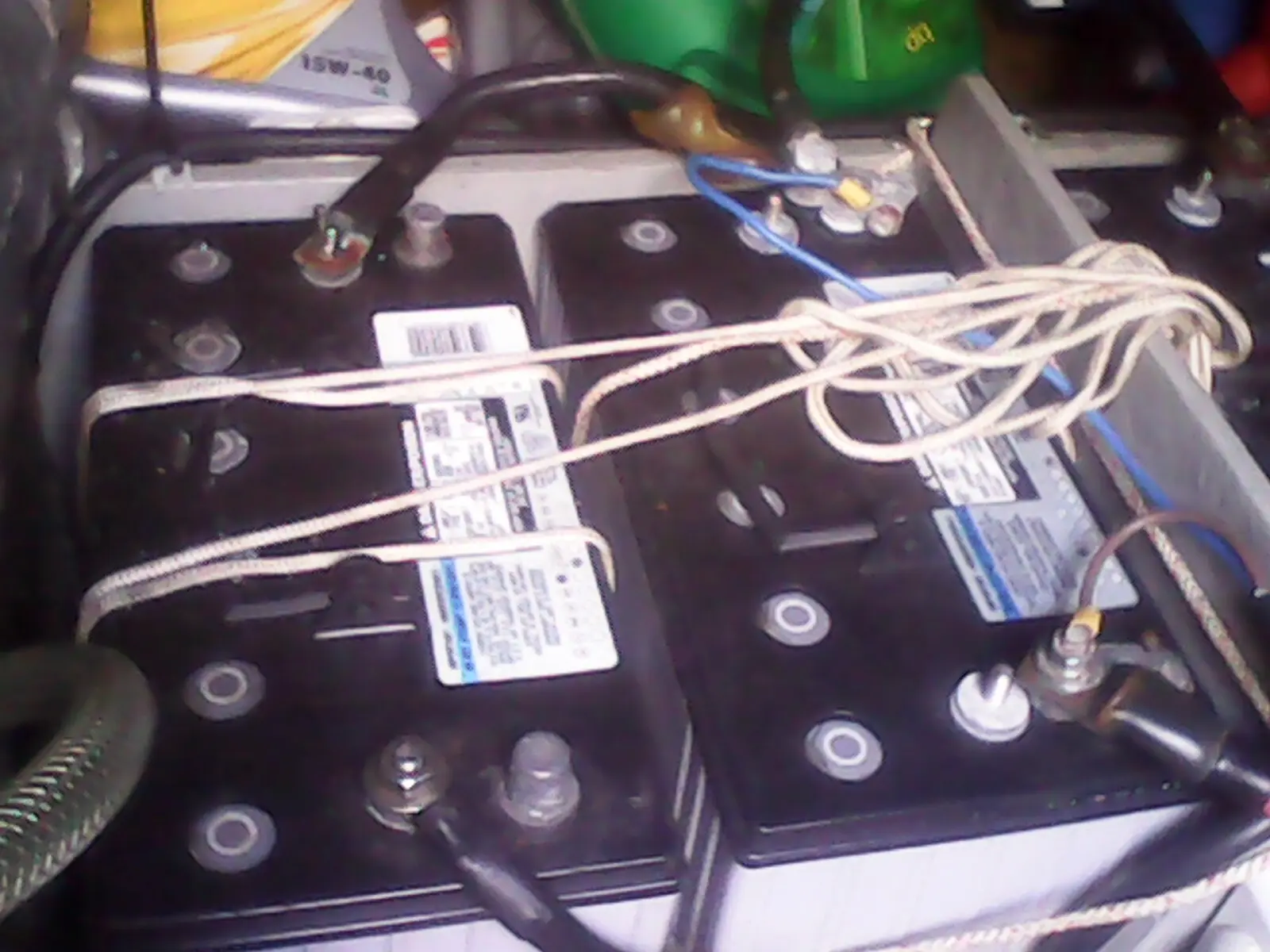
The propulsion battery bank is sized independently of the service (hotel) load and is usually built from high-capacity LiFePO4 cells. For the general characteristics and charging profiles of lithium batteries, see our guide to switching to lithium; however, because discharge currents on propulsion batteries can be many times higher than on service batteries, cable size, fuse selection and cooling need to be calculated separately.
On the charging side, three sources stand out:
- AC charging from shore power: The most practical method for boats that spend long periods in a marina.
- A generator or auxiliary diesel: The main energy source in series hybrid systems.
- Regenerative charging: In some systems, the propeller free-spins while the boat is under way and drives the electric motor like a generator; its contribution is usually limited and depends on speed and propeller design.
DC-DC converters allow safe energy transfer between propulsion and service battery banks at different voltage levels; DC-DC converter ranges from manufacturers such as Victron Energy are widely used for this purpose. These converters let energy be transferred in a controlled way, for example from a high-voltage propulsion bank to the service battery bank; connecting the two banks directly in parallel is not recommended, because of their different chemistries and voltage profiles.
When planning charging, it's important to realistically estimate the daily usage profile: is the goal short in-harbor maneuvering, or hours of silent cruising? The answer to that question is decisive for correctly sizing battery capacity and the number of charging sources.
What to watch for during installation
- Weight and trim distribution: High-capacity battery banks add significant weight; their placement affects the boat's trim and stability.
- Thermal management: The electric motor and power electronics heat up under load; engine room ventilation and the cooling circuit need to be planned accordingly.
- Emergency procedures: On a fully electric or series hybrid boat, a backup plan (a reserve battery group, sail, or small auxiliary engine) needs to be defined for a safe return to harbor in case of a main power loss.
- Maintenance crew training: Personnel working on high-voltage DC systems need to be trained for those voltage levels; standard 12/24V maintenance knowledge alone is not enough.
Pre-installation checklist
- Have propulsion power and range targets been clearly defined?
- Has battery bank capacity been calculated against the actual discharge profile?
- Are the charging sources (shore power, generator, alternator) sufficient? See our article on alternators and DC-DC charging.
- Has an emergency and backup propulsion scenario been defined?
- Has equipment been selected to meet the relevant ABYC and ISO requirements?
Fuses, isolation and maintenance safety
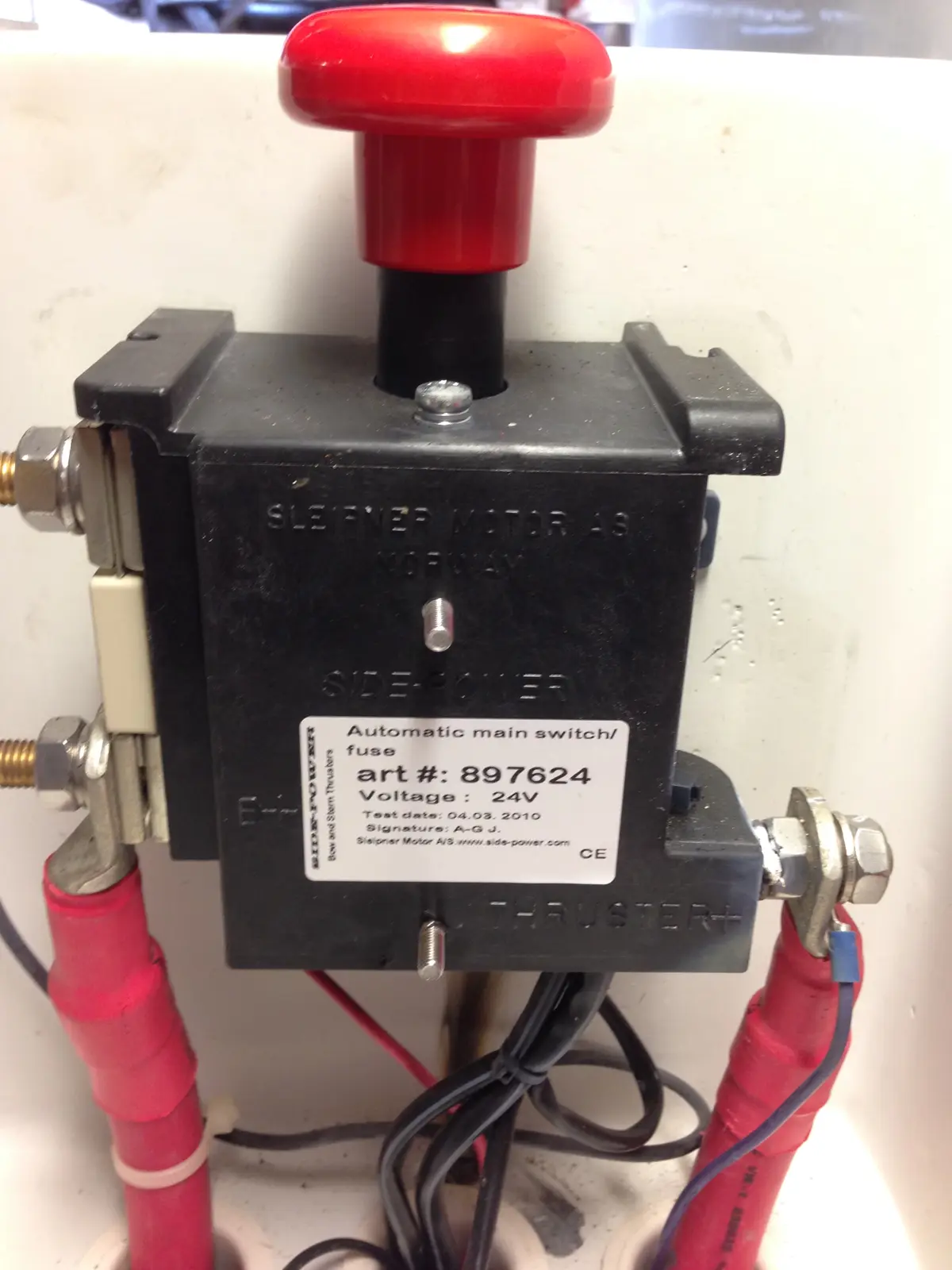
Fuse and circuit breaker selection on high-voltage DC propulsion systems goes beyond the logic used in standard 12/24V systems; because short-circuit currents can be much higher, appropriately rated fuses positioned close to the main battery output (Class T types, for example) and emergency disconnect switches are critical. High-voltage cables should also be clearly distinguished from service battery cables by color coding or labeling, so that anyone doing maintenance later doesn't accidentally work on the wrong circuit.
Before working on a high-voltage system, maintenance personnel must open the main isolation switch and confirm that capacitors have discharged; this step demands far more care than routine battery maintenance.
Realistic expectations
Hybrid and electric propulsion offers a genuine comfort improvement, especially for in-harbor maneuvering and short-range silent cruising; but for long-range, high-speed cruising, diesel propulsion's energy density still leads for now. That's why most projects are planned as a hybrid solution that complements the existing system rather than replacing diesel entirely. With correct sizing, though, a tangible improvement in fuel consumption and noise level is achievable.
When making an investment decision, it's important to account not just for equipment cost but also for the battery bank's capacity loss over time and possible cell replacement. LiFePO4 cells offer a long cycle life with the right charging profile, but the high discharge currents in propulsion applications can age cells at a different rate than service batteries; regularly monitoring BMS data helps catch an unexpected capacity drop early.
Assessment before the project
In the first conversation with owners considering a switch to hybrid or electric propulsion, we usually clarify a few things: what does a typical daily usage scenario look like, how much flexibility does the existing engine room layout offer, and which marinas does the boat connect to shore power at, and how often? The answers decide whether the system should be series or parallel, what battery capacity is needed, and which charging sources should be prioritized. Decisions made without a realistic assessment can lead either to insufficient range or to an unnecessarily large and heavy battery bank.
Plan your hybrid propulsion project with Aslan Yacht
From our workshop in Turgutreis, we support hybrid and electric propulsion projects with battery bank sizing, charging infrastructure and energy system integration. Check out our energy and battery systems services to have your project assessed, or get in touch with us.
Frequently asked questions
Does a hybrid-drive boat still need a generator?
In most parallel hybrid systems, a generator or the main engine's alternator keeps charging the battery bank. Even boats that run full-electric mode only for short in-harbor distances usually still need an additional charging source for longer passages.
Can an existing diesel engine be converted to a hybrid system?
It's technically possible, but the shaft line, engine room layout, battery capacity and weight distribution all have to be recalculated. This kind of conversion isn't a single component swap; it's a redesign of the entire energy system.
Should the electric propulsion battery bank be separate from the house batteries?
Yes. Because its capacity and discharge profile are so different, the propulsion battery bank should be electrically separated from the service (hotel) load; sharing one bank is not recommended for either safety or battery life.