Zipwake Automatic Trim System: Benefits and Installation Steps
Electric interceptors with automatic pitch and roll control: what Zipwake brings to fast boats and motor yachts, and what matters during installation.
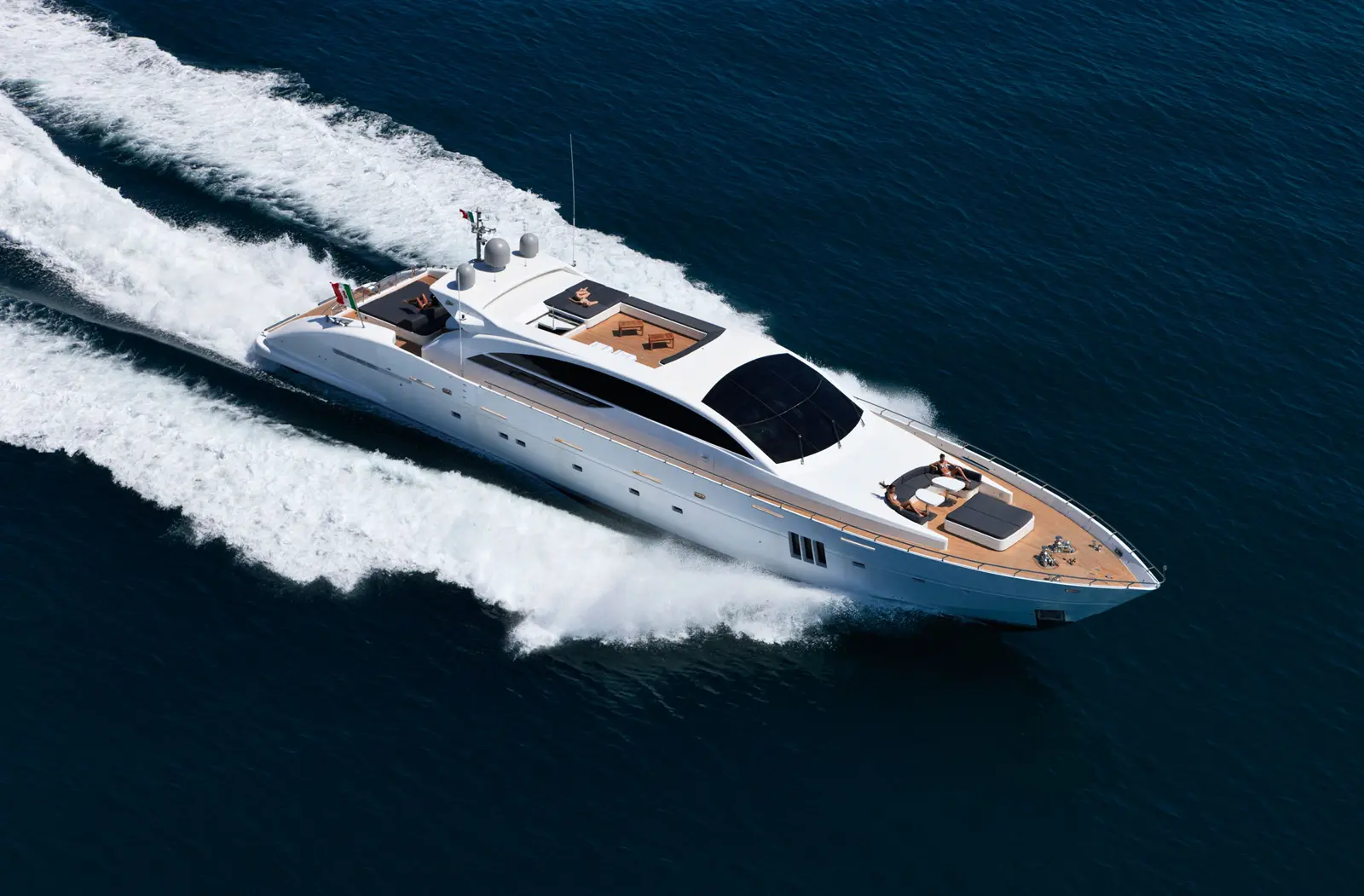
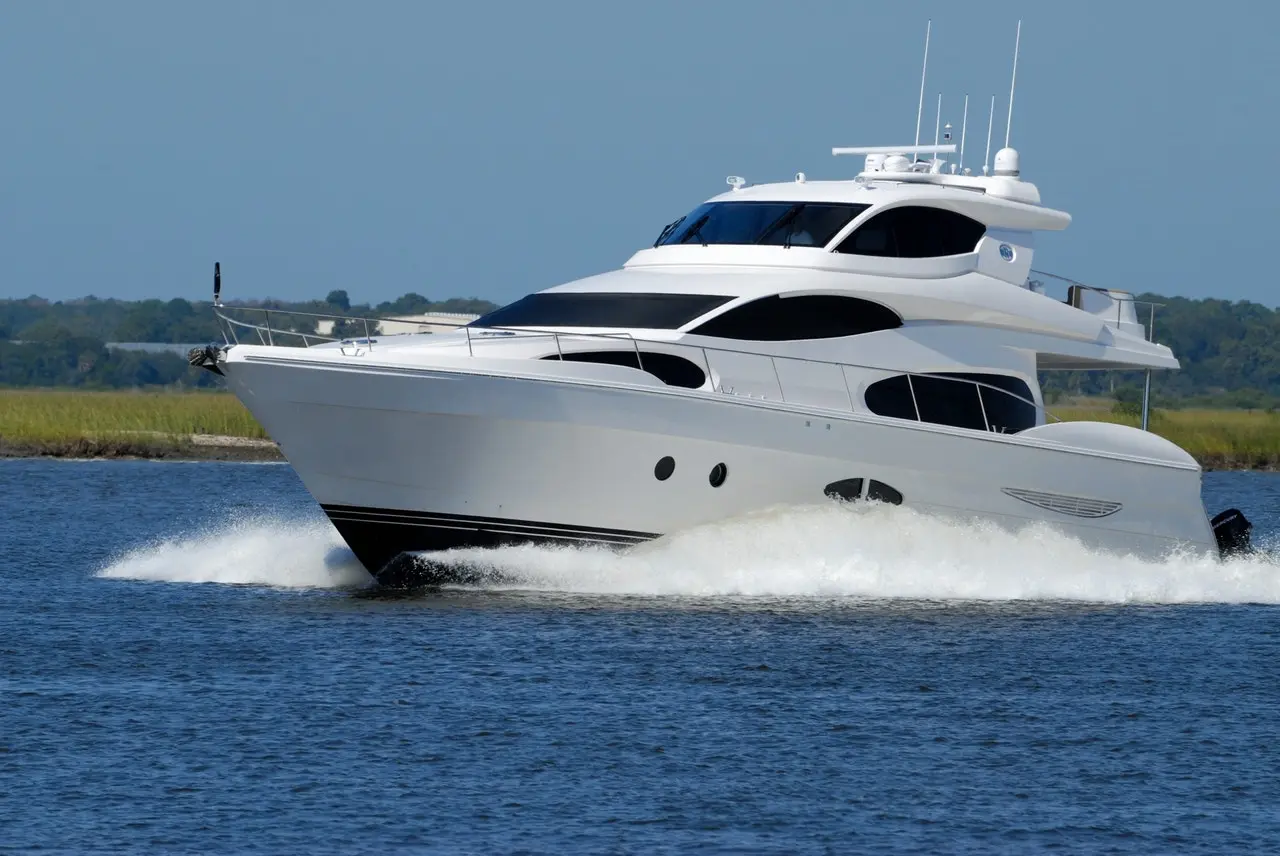
The Zipwake automatic trim system uses electric interceptors mounted on the transom to correct the boat's running pitch and list automatically while under way. The result is a boat that gets on the plane sooner, pounds less in a seaway and runs level despite wind or uneven loading.
In this article we explain how Zipwake works, which boats it suits, the installation steps and the points we pay most attention to in the field.
What is an interceptor and how does it create lift?
An interceptor is a thin, vertically moving blade mounted on the lower edge of the transom. When the blade drops a few millimetres to a few centimetres below the hull bottom, it interrupts the flow ahead of it and creates a high-pressure zone on the last section of the running surface. That pressure lifts the stern and brings the bow down.
A conventional trim tab achieves the same effect by angling a hinged plate. An interceptor's movement is short and vertical, so its response is very fast. We compare the two in detail in our article hydraulic trim tabs or interceptors?
Zipwake's automatic functions
What really sets Zipwake apart is that it manages the interceptors not by hand but automatically, using motion sensors and control software. The three core automatic functions described on the manufacturer's official website are:
- Auto Pitch: adjusts running trim to speed, giving faster acceleration, a wider planing speed range and better forward visibility.
- Auto Roll: keeps the boat on an even keel regardless of wind, load distribution or waves.
- Balanced Turn: automatically adjusts the heel angle in turns for a safer, more comfortable ride.
The captain can also run the system in manual mode, but in practice most users leave it in automatic and only intervene in special situations.
Practical use under way
In a head sea, keeping the bow slightly down reduces slamming and lets the sharp forward sections of the hull cut through the waves. In a following sea, trim is kept more neutral so the bow does not bury. Automatic mode handles much of this by itself according to speed; the captain's extra input is usually limited to a small offset for the sea state.
Load distribution matters too. Guests gathered on the flybridge, a full fuel tank or a tender on one side can create a permanent list. With manually set trim tabs this needs constant correction; Auto Roll balances it on its own throughout the passage. A boat that runs level means fewer helm corrections and a more relaxed cockpit.
Which boats is it suitable for?
Zipwake is aimed at planing and semi-planing boats. The product family is divided by boat length:
| Series | Boat length (manufacturer data) | Key feature |
|---|---|---|
| Series S | Up to 50 ft (about 15 m) | 13 interceptor types: straight, V-shaped, chine and intermediate |
| Series E | Up to 100 ft (about 30 m) | 60 mm blade stroke, 40 mm/s blade rate |
| Pro | Up to 100 ft | For larger, more advanced installations |
The correct interceptor size and number are chosen according to the boat's length, displacement, top speed and usable transom space. The Series E page also lists technical differences such as blade stroke and blade rate.
On displacement hulls, slow boats or sailing yachts, interceptors bring no meaningful gain, because lift depends on sufficient water speed.
Installation steps
A Zipwake installation may look like "a part you screw on", but a good result requires planning. This is the sequence we follow on board:
- Survey and measurement. Transom width, deadrise, chine line, propeller or drive position and any existing trim tabs are measured. The positions of water intakes, echo-sounder transducers and exhaust outlets are noted.
- Interceptor selection and layout. Interceptors are placed symmetrically and as far from the centreline as possible; this increases the lever arm for roll control. Areas directly affected by propeller wash are avoided.
- Mounting. The interceptors are fitted to the transom so that the lower edge of the blade is flush with the hull bottom. Misalignment creates the opposite effect or unnecessary drag.
- Cable entry. Cables pass through the transom above the waterline using watertight cable glands. Holes are sealed with the correct filler and sealant; this step is critical to keep water out of the hull later on.
- Distribution unit and power supply. The distribution unit is mounted in a dry, accessible place and supplied from the boat's DC system through a dedicated circuit breaker. Cable size is chosen with voltage drop in mind.
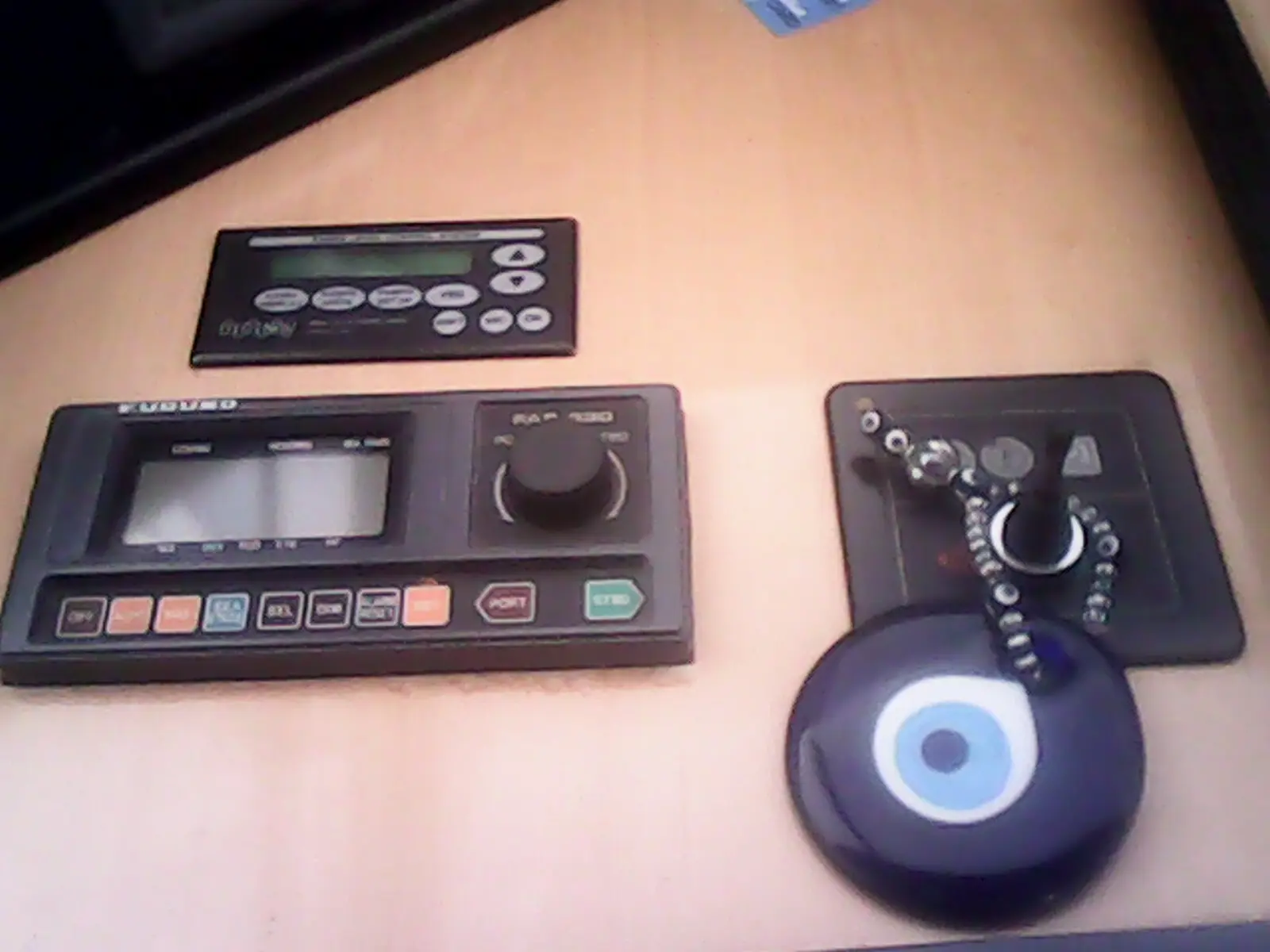
- Control panel and integration. The panel is mounted at the helm. With the optional integrator module the system can be connected to the MFD, in which case network rules must be followed. For the network basics, see our article on NMEA 2000 installation and troubleshooting.
- Calibration and sea trial. The system is configured with the setup wizard, then a sea trial at different speeds and loads confirms the behaviour of the automatic functions.
What to watch on the electrical side
Because the interceptors are electric, there is no hydraulic oil, pump or hose; but that does not make the electrical side unimportant.
- Voltage drop: cables between the interceptors at the stern and the distribution unit should be of the lengths specified by the manufacturer, with no improvised extensions.
- Connection points: connectors should sit in a dry area and be protected against corrosion. On most boats the lazarette is the dampest place on board.
- Fuse and breaker: the supply line must be protected by a circuit breaker matched to the cable size.
- Compatibility with other systems: if autopilot, MFD and engine data share the same network, device addresses and power feed points should be planned carefully.
- Speed data: because the automatic functions work according to boat speed, a reliable speed source is needed. The manufacturer offers an external GPS antenna as an accessory for some series; it should be mounted with a clear view of the sky and away from the radar beam.
Once the installation is finished, showing the captain the basic operation, how to switch to manual mode and the alarm screens is part of the job. A well-installed system that is not used correctly will not deliver the comfort expected.
For broader information on electronic integration, see our electronics and navigation service.
Maintenance and seasonal checks
Zipwake is a low-maintenance system, but not a no-maintenance one. We recommend these checks before each season and whenever the boat is hauled out:
- Cleaning barnacles and weed off the interceptor blades and checking that the blades move freely
- Following the manufacturer's instructions when antifouling, so paint does not jam the moving blade
- Checking the transom cable glands for watertightness
- Checking connectors for oxidation
- Reading fault logs on the control panel and checking for software updates
- Confirming on a sea trial that all interceptors respond symmetrically
Zipwake and Seakeeper together
Zipwake manages trim and list under way, but has no effect at low speed or at anchor. Roll at anchor calls for a gyro stabilizer. The two systems are complementary, not rivals. For how a gyro works, read our article on the Seakeeper gyro stabilizer, and for general brand information visit our Zipwake brand page.
Work with Aslan Yacht on your Zipwake installation
With our team in Turgutreis, we survey, install, integrate and seasonally check Zipwake systems in marinas and boatyards around the Bodrum peninsula. Learn more about our stabilizer and trim service, or contact us to arrange a survey of your boat.
Frequently asked questions
Can Zipwake be used together with existing hydraulic trim tabs?
Technically yes, but because both systems do the same job, the old trim tabs are usually removed or left in a fixed position. The decision depends on the available transom space and the boat's running characteristics.
Does Zipwake help at low speed or at anchor?
No. Interceptors generate lift from water flow, so their effect is significant at planing and semi-planing speeds. Roll at anchor calls for a different solution, such as a gyro stabilizer.
Does Zipwake need maintenance?
There are few moving parts, but the interceptor blades should be cleaned of barnacles and weed, and the cable entries and connections checked for sealing every season.