Bilge pump, float switch and alarm systems: a complete guide
The bilge pump is a yacht's last line of defense. Without the right float switch, wiring and alarm setup, that last line is often empty.
The bilge pump is one of the least-used yet most critical safety items on a yacht; it can sit idle for years, until the day it's genuinely needed. And on that day, there's no time left to test it. The trouble is that bilge pumps are usually mounted somewhere hard to reach, out of sight, and rarely tested on a regular basis. This article covers how a bilge pump system works, the faults we see most often, and the principles of a proper installation.
How a bilge pump system works
A standard bilge circuit has three main components:
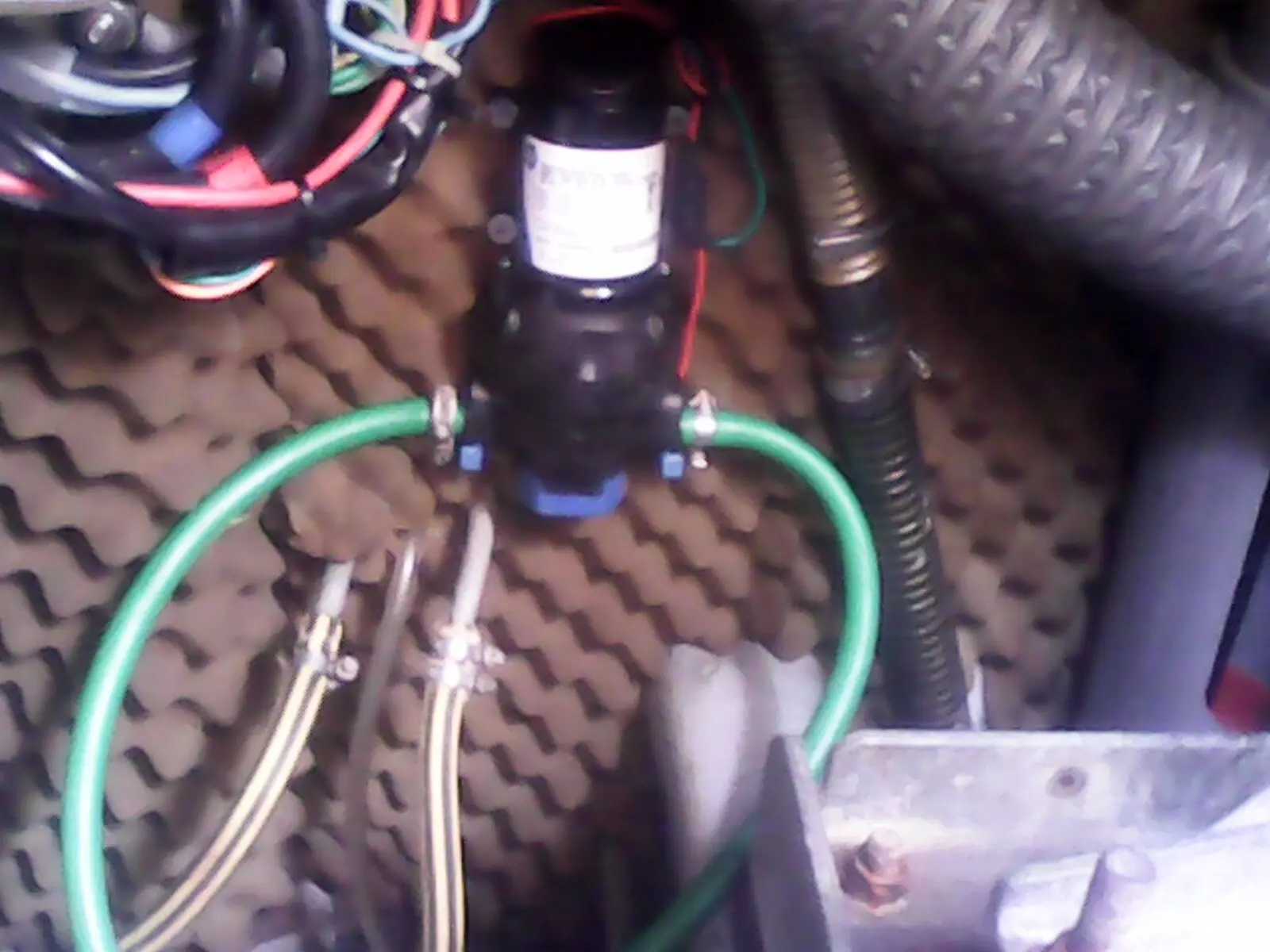
- The pump: a centrifugal submersible pump that draws bilge water and discharges it overboard.
- The float switch: closes the circuit automatically once water reaches a set level, and opens again as the level drops.
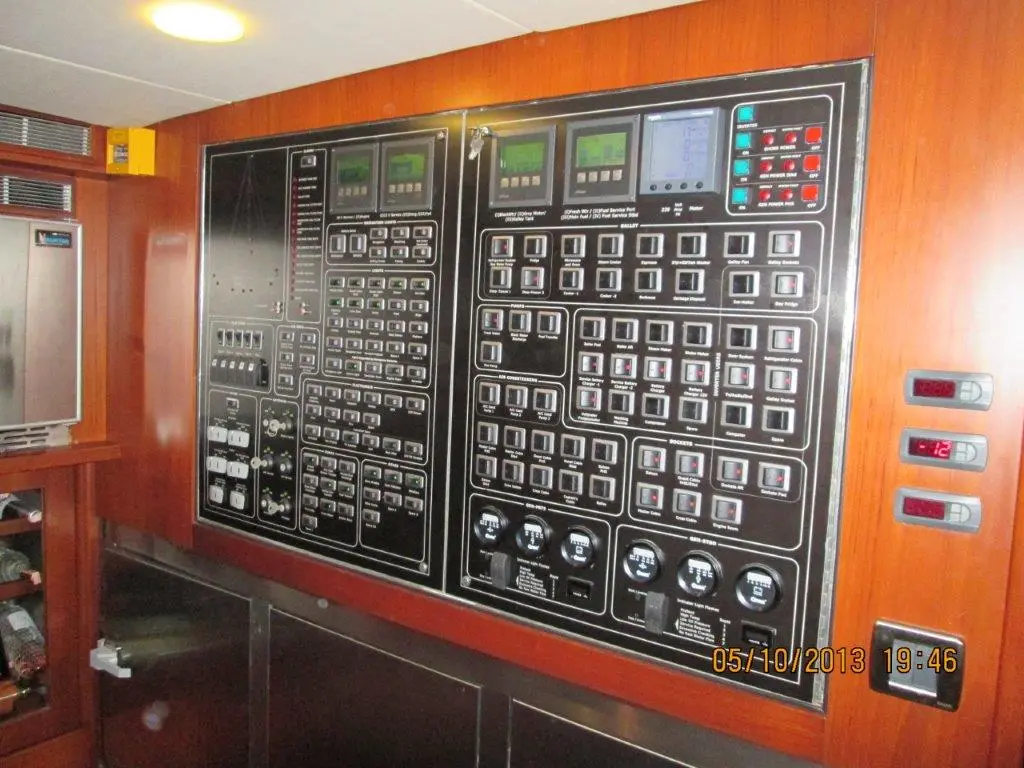
- The control circuit: a panel switch offering automatic/manual operation, a fuse or breaker, and usually a run indicator (LED or audible alarm).
The pump is typically wired independently of the battery's main switch, directly to the battery bank, so it keeps running even with the main switch off. Per ABYC's recommended practice, this connection should use a dedicated fused circuit with adequately sized cable; undersized cable causes voltage drop and reduced suction power under load.
Common faults and likely causes
| Symptom | Likely cause | First check |
|---|---|---|
| Pump doesn't run at all | Blown fuse, broken wire, burnt pump motor | Fuse, supply voltage, noise at pump housing |
| Runs manually but not automatically | Float switch faulty or fouled | Lift the float by hand to test |
| Pump runs but doesn't draw water | Clogged strainer, air lock, faulty check valve | Strainer cleaning, hose routing |
| Pump runs constantly or very often | Real water ingress, stuck float switch | Locate the water source, check switch mechanism |
| Alarm silent but pump activates | Alarm sensor or wiring fault | Continuity test on the separate alarm circuit |
| Pump runs but discharge is weak | Worn impeller, partial blockage, low voltage | Flow test, voltage under load |
How many pumps, what capacity?
Rather than relying on one large pump, a layered approach is recommended for bilge circuit design. As seen in Xylem/Rule's product range, a lower-capacity primary pump (roughly 750–1100 GPH) quietly handles everyday seepage, while a much higher-capacity secondary pump (3000+ GPH) only activates once the water level rises significantly. Feeding the two pumps from separate circuits, separate fuses and, ideally, separate float switches prevents a single wiring or switch fault from disabling all bilge protection at once.
Choosing and mounting the float switch
The float switch is the heart of bilge pump automation, and the part most likely to fail. Hinged (mechanical) switches can jam with weed and sediment buildup, while electronic (contactless) switches can suffer moisture and corrosion in the control board. The switch should sit at the true lowest point of the bilge, but slightly above the pump's suction inlet; mounted too high, water may sit below the level the pump can draw from. Check regularly that the switch moves freely and isn't jammed by debris, rope fragments, or an oil film.
Wiring and fuse sizing
The bilge pump circuit needs cable sized for the motor's starting current, protected by a matching fuse or breaker; undersized cable causes both voltage drop and heat risk. You'll find how to calculate the right cable gauge in our marine cable sizing guide. Connections, especially in a damp environment like the bilge, should use tinned copper terminals with heat-shrink insulation; ordinary connections oxidize quickly, becoming unreliable, high-resistance contact points.
Alarm and remote monitoring
The pump simply activating isn't a sufficient warning on its own; a separate audible/visual alarm visible from the helm should indicate the pump is running more than normal, or staying on continuously. When the boat is unattended at the dock or at anchor, connecting the pump's activation count and run time to a remote monitoring system lets you catch a possible flooding event within minutes rather than hours. Low battery voltage can also disable the alarm itself, so don't neglect battery care; see our battery maintenance guide for details.
Through-hulls and check valves
The bilge pump's discharge hose should route above the waterline at some point along the hull; otherwise seawater can flow back into the bilge when the boat rolls or heels. A check valve (anti-siphon or swing check) at the discharge line prevents this backflow, but over time sediment or salt buildup may keep it from sealing fully; if so, you may hear water running back through the hose after the pump shuts off. Removing and inspecting the check valve at least once a year keeps pump efficiency up and prevents unwanted backflow.
Bilge pump maintenance checklist
- Run each pump in manual mode and confirm it actually draws water.
- Lift the float switch by hand to test automatic activation.
- Remove the strainer and clean out sediment and sand buildup.
- Inspect the hose routing, clamps and check valve inside the bilge.
- Check fuses, wire connections and terminals for corrosion.
- Confirm the alarm light/sound is detectable from the helm.
- Clean oil and debris from the bilge itself; confirm the float moves freely.
- If a second (emergency) pump is fitted, test its circuit and switch separately.
When to call a certified technician
Manual testing, strainer cleaning and visual inspection are things a captain can handle as routine tasks. But professional support is needed when:
- The pump motor has an electrical fault or draws sustained overcurrent,
- The circuit needs rewiring or a second pump is being added,
- The alarm system needs to be integrated with remote monitoring or an NMEA 2000 network,
- Recurring flooding is suspected but the source can't be located (this requires checking the hull, shaft seal, or through-hull fittings).
Work with Aslan Yacht on bilge and alarm systems
We install bilge pump circuits, replace float switches, and integrate alarm and remote monitoring systems at Turgutreis D-Marin, Yalıkavak Palmarina, Milta Bodrum Marina and the boatyards across the Bodrum peninsula. To schedule a safety check for your boat, reach us through our contact page; bilge and general safety circuits are covered under our yacht electrical services.
Frequently asked questions
How many bilge pumps should my boat have?
Most yachts should carry at least two independent pumps: a smaller primary pump handles everyday seepage, while a higher-capacity secondary (emergency) pump kicks in during a serious flooding event. The second pump should run on a separate circuit, and ideally its own float switch.
My bilge pump keeps cycling on for short bursts. Is that dangerous?
Yes, this is not normal and shouldn't be ignored. Frequent short cycling points to a real, ongoing water ingress — a leaking shaft seal, a loose hose, or a cracked through-hull — and the boat shouldn't be left unattended until the source is found.
The bilge alarm isn't audible in the cabin. What should I do?
Make sure the audible alarm can be heard from both the helm and the main cabin. For added security while anchored or unattended, connect the pump's activation to a GSM or satellite-based remote monitoring system so you're alerted even when no one is aboard.