Windlass motor and control faults: causes and fixes
The windlass tends to fail exactly when you need it most. We walk through the check order from solenoid to foot switch.
The windlass draws the highest current and carries the heaviest mechanical load of any anchoring or mooring equipment on board, which is why its faults tend to show up at the worst possible moment — right as you're dropping or weighing anchor. Most problems don't originate in the motor itself, but in the high-current solenoids, foot switches and supply cable. This article covers the faults we see most often in windlass motors and control systems, in the order we check them on site.
How a windlass electrical system works
An electric windlass typically consists of:
- The supply line: heavy-gauge cable rated for high current running from the battery bank to the windlass motor, protected by a main fuse or breaker.
- Solenoids (contactors): two power relays (up/down) that switch the low-current control signal into the high-current motor circuit.
- The control line: low-current wiring from the helm switch, deck foot switches, or a wireless remote to the solenoids.
- The motor: usually a 12V or 24V DC geared motor with a high starting current, turning the chain gypsy (wildcat).
When the windlass is activated, the foot switch or remote energizes the relevant solenoid's coil; the contacts inside close, and high current flows directly from the battery bank to the motor. This separation between the two circuits — low-current control and high-current power — is the first diagnostic branch point: whether you hear a click or not largely tells you whether the fault is on the control side or the power side.
Common faults and likely causes
| Symptom | Likely cause | First check |
|---|---|---|
| Windlass doesn't run, no sound at all | Main fuse/breaker tripped, loose battery connection | Fuse, battery terminals, main switch |
| Solenoid clicks but motor doesn't turn | Broken motor cable, worn brushes, burnt motor | Voltage measurement at motor terminals |
| No click at all | Broken control line, faulty foot switch, burnt solenoid coil | Continuity test at the foot switch |
| Only runs in one direction | Faulty solenoid or control line for that direction | Check the relevant solenoid contacts |
| Slows down or stalls under load | Low voltage, overheating, worn brushes, undersized cable | Voltage measurement under load |
| Chain skips or slips on the gypsy | Worn gypsy or mismatched chain gauge | Chain-gypsy match, mechanical wear |
| Doesn't work from the helm, works on deck | Faulty helm switch or wiring for that line | Continuity test on that circuit |
Solenoids: the most common failure point
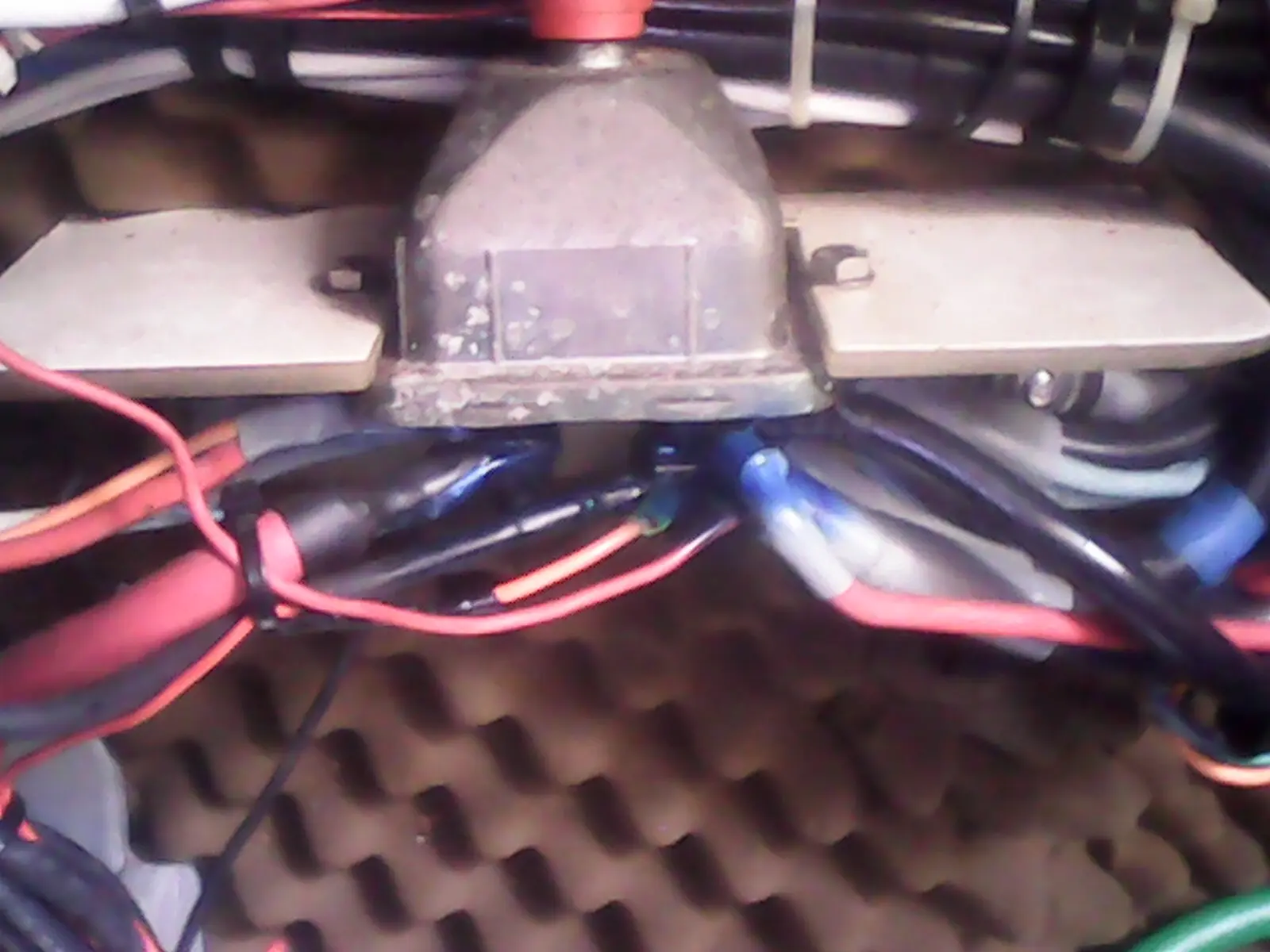
Solenoids sit on deck, exposed to moisture, salt spray and vibration, so oxidized contacts or a burnt-out coil are common over time. If a solenoid clicks but the motor doesn't turn, the contacts may be oxidized or stuck together; if there's no click at all, the coil circuit is broken. Solenoids are generally inexpensive and easy to replace; when in doubt, swapping one directly can be more practical than a long diagnostic process, though the underlying moisture or corrosion issue still needs addressing.
Cable sizing and voltage drop
A windlass motor draws very high current on startup — typically 80–250 A depending on the model. If the cable from the battery bank to the windlass isn't thick enough, or connections are loose, the voltage the motor actually sees drops well below what the battery produces, slowing the windlass under load or preventing it from running at all. See our marine cable sizing guide for the right gauge and voltage-drop calculations. A dedicated breaker mounted as close as possible to the battery bank, with a short cable run to the windlass, is generally recommended; a windlass fed by a long, thin cable will underperform no matter how strong the battery bank is.
Hydraulically driven windlasses
On larger motor yachts, the windlass may be driven by a hydraulic motor instead of an electric one; in that layout, the electrical side is limited to small solenoids driving the control valves, while the actual power comes from the hydraulic pump and pressure line. Manufacturers like Lofrans' offer both electric and hydraulically driven models in their catalogue; on hydraulic types, a "windlass not working" symptom often traces back not to the electrical side but to the hydraulic pump itself, the valve block, or low fluid level. In that case, the check should be extended to our hydraulic systems service.
Foot switches and control wiring
Deck-mounted foot switches face water, sun and constant stepping; their seals can harden over time and let water in, causing oxidized contacts or a switch that sticks closed and activates the windlass unintentionally. Wherever the control cable passes through the deck, watertightness at fittings and connectors must be maintained. If the helm control doesn't work but the deck foot switches do, the fault is most likely in the helm switch or the wiring specific to that line, not the general power circuit.
Windlass maintenance checklist
- Check battery terminals, the main switch, and the windlass fuse/breaker.
- Test both directions unloaded (no chain, or light load).
- Open the solenoid box and inspect contacts and connections.
- Test the deck foot switches and helm control separately.
- Check the grounding connection on the motor housing.
- Measure supply voltage at the motor terminals under load (while weighing anchor).
- Check the gypsy-to-chain match for wear or slippage.
- Check gearbox oil level and any signs of leakage.
- Inspect motor brushes (brushed motors) if accessible.
Most of this can be scheduled on the same day as the general spring commissioning checks.
When to call a certified technician
Checking fuses, terminals and foot switches is something a knowledgeable captain can do. But you'll need a certified technician when:
- The solenoid or motor needs replacement,
- Wiring needs to be re-run, or the main breaker relocated,
- A gearbox mechanical fault (gears, clutch) is suspected,
- On hydraulically driven windlasses, a pump or valve fault is involved; the hydraulic circuit then needs separate evaluation.
Before calling, note which direction the windlass fails in, which switch you were using, and the exact symptom — this shortens diagnostic time considerably. General principles for cable sizing, fuse and breaker selection are covered in ABYC's standards list, and they matter especially for high-current equipment like a windlass.
Work with Aslan Yacht on your windlass
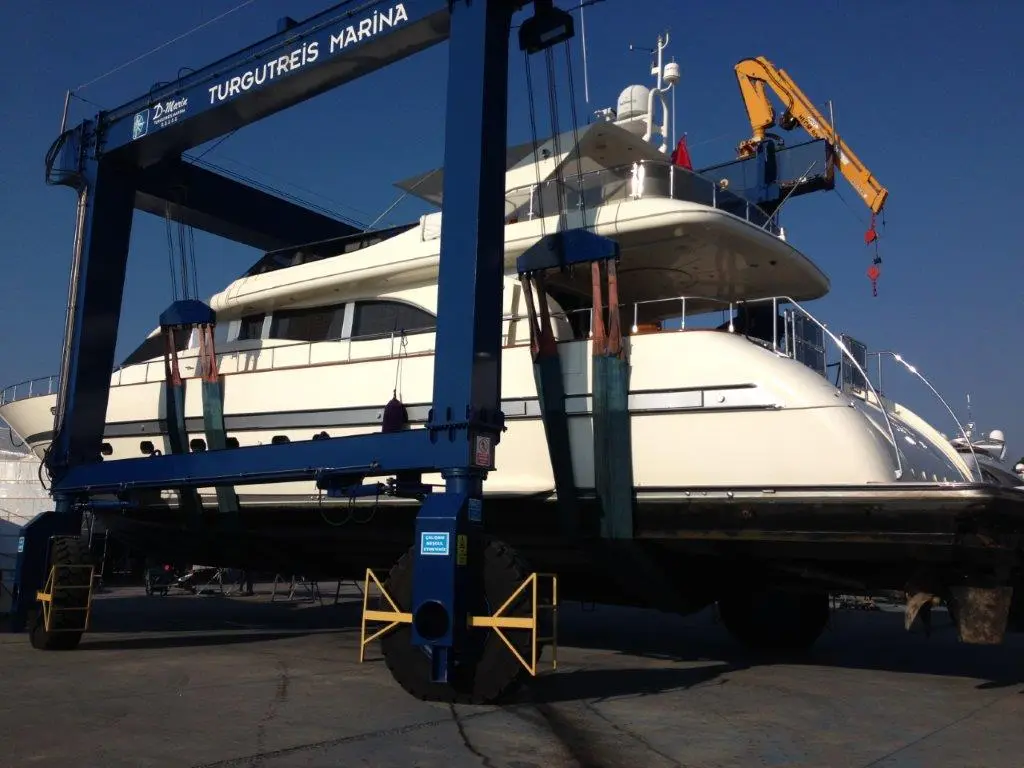
We service and diagnose windlass motors, solenoids and control lines at Turgutreis D-Marin, Yalıkavak Palmarina, Milta Bodrum Marina and the boatyards across the Bodrum peninsula. To have your anchoring system checked before the season, reach us through our contact page; windlass and related power circuits are covered under our yacht electrical services.
Frequently asked questions
The windlass makes no sound at all, even with a fully charged battery. What could it be?
First check the main breaker and fuse. If those are fine, next comes the solenoid (contactor): if you hear it click but the motor doesn't turn, the fault is likely in the motor or motor cable; if there's no click at all, the fault is in the control line or the solenoid itself.
The windlass only runs in one direction (up or down), not the other. What should I do?
This symptom almost always points to one of the two solenoids being faulty, or a broken cable to the corresponding foot switch or control line; the motor itself is usually fine, since both directions feed the same motor with reversed polarity.
The windlass slows down or stalls under load but runs fine unloaded. Could this be normal?
Slowing under load is most often caused by low supply voltage, an overheated motor, worn brushes, or the chain gypsy not seating properly on the chain. Undersized cable also causes serious voltage drop under load.