Gulet electrical systems: generator, panel, wiring and lighting
A wooden hull, many cabins and equipment added over the years: a gulet's electrical system has its own problems. What we focus on during maintenance and refit.
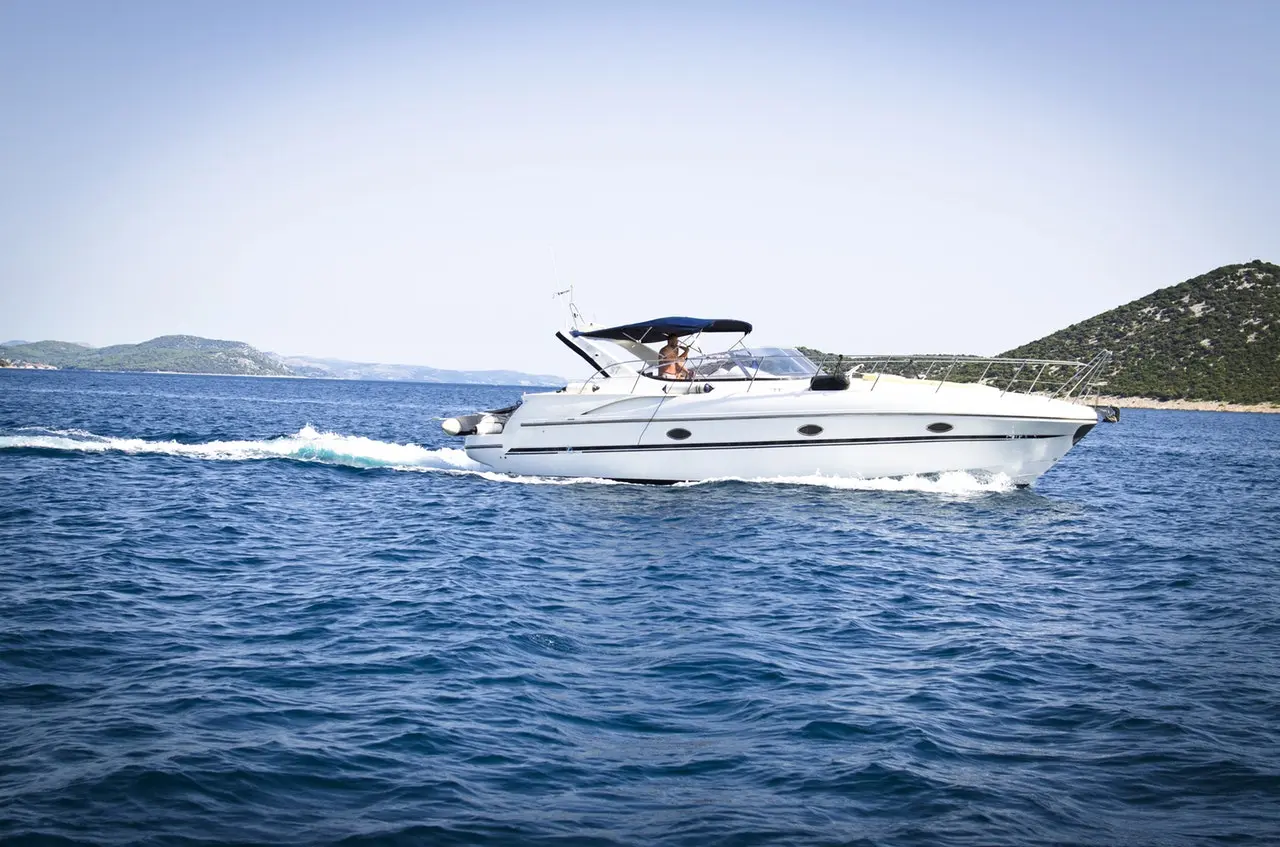
Gulet electrical systems carry the comfort and safety of these wooden boats, an inseparable part of Bodrum's boating culture. A gulet combines a sailing hull, AC loads close to those of a motor yacht and many guest cabins. Add the moisture and movement of a wooden hull and equipment added over the years, and the electrical installation needs special care. In this article we describe, from our own field experience, the issues that matter most when maintaining and refitting gulets.
How a gulet's electrics are built
On a typical gulet the electrical system has three layers:
- AC side: 230 V or 400 V distribution fed from the generator and shore power; air conditioning, galley, water heater, watermaker and cabin sockets run from here.
- DC side: 12 V or 24 V circuits fed from the battery bank; lighting, pumps, navigation electronics, bilge and control circuits.
- Conversion and charging: chargers, inverter and engine alternators connect the two sides.
In terms of loads, a gulet is usually close to a motor yacht; air conditioning and galley loads size the generator and shore connection. The sailing side shows up in mast wiring, masthead lights and deck penetrations. That is why on gulets we draw on both our motor yacht electrical and sailing yacht electrical experience.
Wooden hull and wiring
A wooden hull creates different wiring conditions from a GRP boat:
- Moisture: wood holds moisture; junction boxes and terminals must be kept away from the bilge and areas where condensation collects.
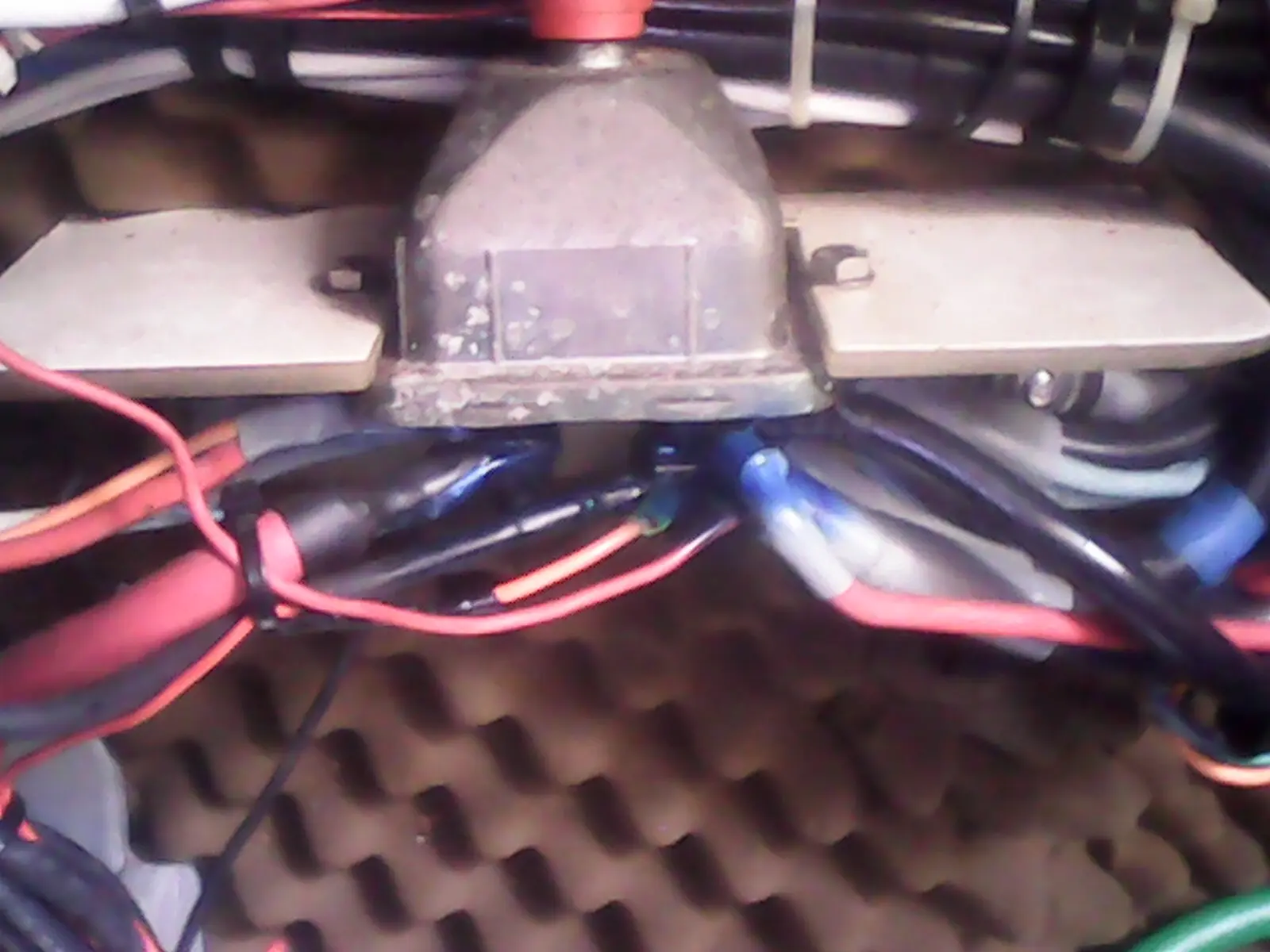
- Movement: the timber structure moves with heat and humidity; cables must not be left taut and need chafe protection at penetrations.
- Penetrations: cables passing through bulkheads and frames should be protected with sleeves or grommets.
- Support: cables should be clipped or run in conduit at regular intervals, away from hot exhausts and moving parts.
Tinned, finely stranded marine cable is just as essential on a gulet. Cable sizing and voltage drop matter even more because of the long hull: runs to the windlass at the bow or the passerelle at the stern are long. The method is in our guide to marine cable and voltage drop.
Generator and shore connection
On a gulet, the generator is the real energy source for a guest week. With air conditioning, the water heater and the watermaker running together, generator capacity easily reaches its limit. For a healthy system we look at:
- A measured load list and the highest combination of loads running at once
- A changeover arrangement that never parallels generator and shore power
- Staged starting of air conditioners and, if needed, load prioritisation
- Keeping to the generator's service intervals; details in our boat generator maintenance checklist
On shore power, the marina socket's capacity and the boat's load must match, otherwise the pontoon protection keeps tripping. On nights at anchor, a balance has to be struck between generator hours, whether the battery bank can carry the night loads and guest comfort; that balance cannot be found without measured consumption data.
The panel: additions that pile up over the years
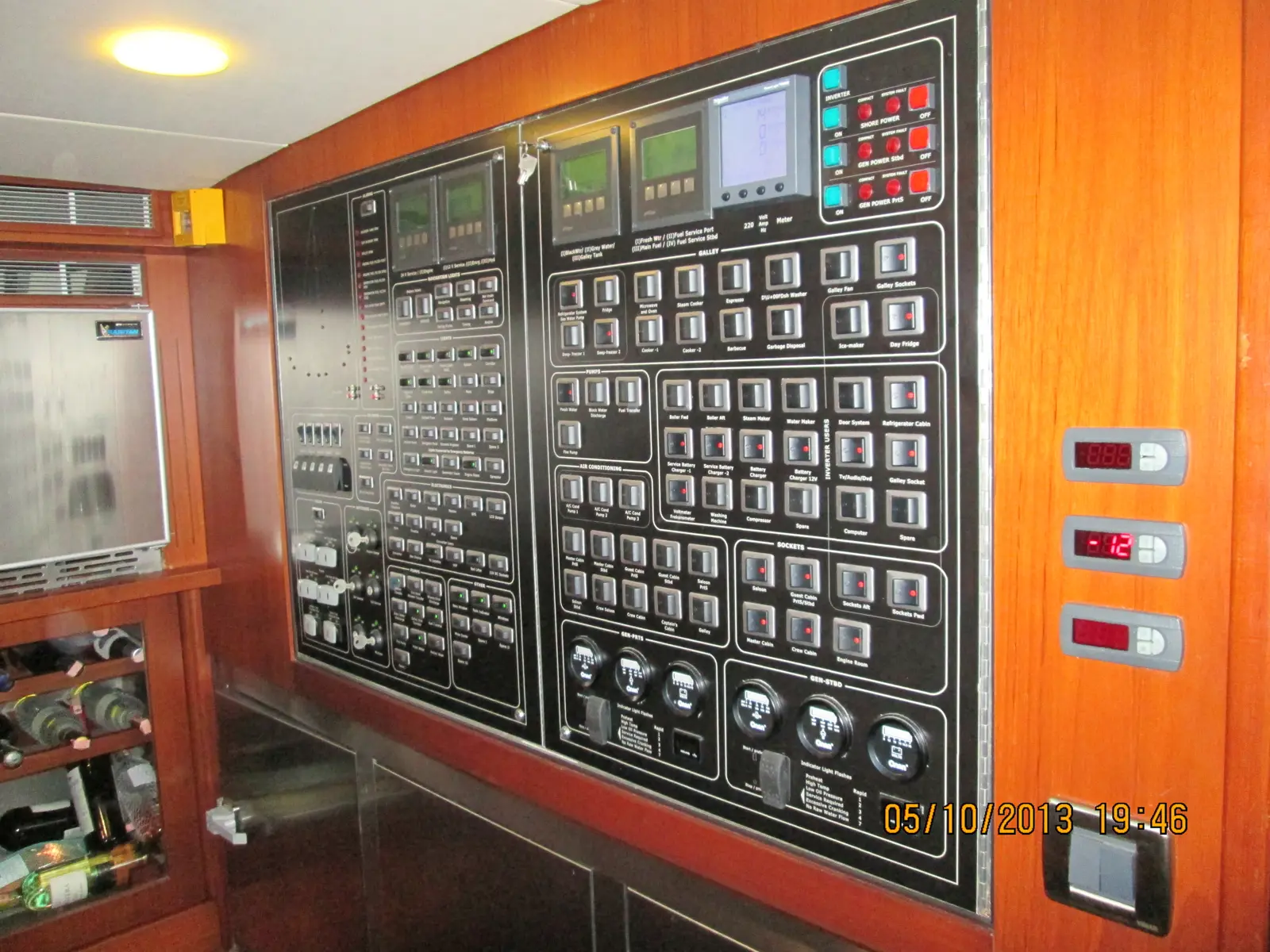
Most gulets serve for many years and pass through many hands. The picture we often find in the panel: fuses added at different times, switches with worn-off labels, unfused circuits wired straight to the battery and signs of heat. This makes fault finding harder and raises the fire risk.
With a panel like this, the first job is to document the current state: circuit list, single-line diagram and measured values. Then we decide whether partial repair or full renewal is needed. The steps of a planned renewal are in our article on renewing the electrical panel on older yachts.
Cabins and lighting
Many cabins mean many small failure points. Loose sockets, overheating lamp holders, old halogen fittings and connections in damp bathrooms are the most frequent complaints. LED conversion cuts both consumption and heat, but drivers must cope with battery voltage swings and bathroom fittings need a suitable IP rating. For deck and mast lighting, waterproof connections and sound cable entries come first.
Corrosion and earthing
On wooden-hulled boats, metal fastenings, the shaft, propeller and seacocks may be made of different metals. Stray current or faulty earthing can cause rapid corrosion of these parts. Bonding, anodes and galvanic isolation on the shore power side must be considered together; the basics are in our article on galvanic corrosion and anodes.
Watermaker, hydraulics and deck equipment
Modern gulets often carry a watermaker, a hydraulic passerelle, a windlass and sometimes a tender crane. What these have in common is high current draw and positions at opposite ends of the boat. The windlass at the bow, the passerelle at the stern and the watermaker in the engine room each need their own correctly sized circuit, fused close to the source. Because the watermaker's high-pressure pump can strain the generator at start-up, its start sequence should be planned, and voltage drop under load should be measured on hydraulic pump supplies. Treating the electrical and mechanical sides together during maintenance avoids repeated call-outs for the same fault.
Documentation and resale value
An up-to-date circuit list, single-line diagram and labelled panel do more than ease daily operation; they also protect the gulet's value at a sale or charter-contract survey. An undocumented installation is always a risk item for a buyer. That is why, at the end of every job, we hand over measured values, replaced parts and the updated diagram in writing.
Gulet electrical check table
| System | Common problem | Our recommendation |
|---|---|---|
| Panel | Unlabelled, later-added circuits | Circuit list and single-line diagram, planned renewal if needed |
| Wiring | Connections in damp areas, chafe | Move connections higher, use sleeves and clips |
| Generator | Overload, frequent protection trips | Measured load list, staged loading |
| Shore connection | Pontoon protection trips | Leakage measurement, input current limit |
| Cabins | Loose sockets, hot lamp holders | Renew connections, LED conversion |
| Hull metals | Anodes wasting fast | Bonding check, galvanic isolation |
Season planning
Most gulets are in charter or private use all summer. Winter lay-up is the best time for panel renewal, cable replacement and work that needs a haul-out. For checks before the season and at guest changeovers, see our pre-charter season checklist.
Gulet electrical service with Aslan Yacht
From our workshop in Turgutreis we visit marinas and boatyards across the Bodrum peninsula to measure gulets' panels, generators, shore power and cabin circuits, and where renewal is needed, we build a documented, labelled installation. See our yacht electrical page for our scope, or request a survey through our contact page.
Frequently asked questions
Why is wiring different on a wooden gulet?
Wood absorbs moisture and moves; cables must be protected from chafe, damp areas and fastenings that pass through the timber. They should be supported with conduit or clips, connections must stay away from the bilge, and sleeves should be used at penetrations.
Does the gulet's panel need a complete renewal?
That depends on measurements and inspection. If unlabelled circuits, later unfused additions and signs of heat are widespread, a planned renewal is usually safer and more economical; for limited problems, a partial repair may be enough.
What is the most common electrical fault on gulets?
In the field we most often see connection problems caused by moisture and corrosion, overloaded generators and shore connections, and loose socket and lamp connections in the cabins.