Yacht Generator Maintenance Checklist for a Trouble-Free Season
The generator is one of the hardest-working machines on a yacht, and without regular maintenance it tends to fail at the worst possible moment. Here is the full checklist.
The yacht generator is the only power source that covers the entire onboard load whenever shore power isn't available: air conditioning, the watermaker, galley appliances and battery charging all depend on it. Despite this, generator maintenance is often overshadowed by main engine care and gets neglected. A regular, planned maintenance programme prevents unexpected breakdowns and meaningfully extends the generator's service life.
Why periodic maintenance matters so much
Generators typically run at a constant speed under variable load, which creates a different wear profile from the main engine. The marine environment's humidity, salt and vibration wear down electrical connections and the cooling system faster than usual. Especially around the Bodrum peninsula in summer, when temperature and humidity climb together, small neglected issues in the cooling system and battery connections can escalate quickly.
The basic logic of planned maintenance is simple: rather than treating the generator as something you just switch on and off, repeat checks tied to running hours and the calendar on a regular basis. Manufacturers such as Cummins Onan recommend exactly this approach in their official service manuals.
Daily and weekly checks
Short checks before every start-up prevent most major failures:
- Check the engine oil level with the dipstick and top up with manufacturer-spec oil if needed.
- Check coolant level (on closed-circuit systems).
- Confirm the raw-water intake seacock is open and the strainer is clean.
- Look for fuel, oil or raw-water leaks in the engine compartment.
- Visually confirm the exhaust water outlet is flowing normally; if flow has reduced, stop immediately and investigate.
- Listen for abnormal noise, vibration or smoke during operation.
Monthly and periodic maintenance table
The table below summarises typical maintenance intervals for a diesel yacht generator. Always check your own manufacturer's service manual for exact values.
| Maintenance item | Typical interval | Note |
|---|---|---|
| Engine oil and filter | 100–250 hours or annually | Marine engines often recommend a shorter interval |
| Fuel filter (primary + secondary) | 150–300 hours or annually | Drain the water separator weekly |
| Air filter | Visual check every 50 hours, replace at 250–500 hours | More often in dusty/humid conditions |
| Raw-water pump impeller | 12–24 months | Replace early if wear is visible |
| Raw-water strainer | Check every use | Watch for sediment and marine growth |
| Battery and charging circuit | Every 3–6 months | Terminal cleaning and voltage check |
| Vibration mounts (motor mounts) | Annually | Excessive vibration signals early wear |
| Exhaust elbow / water injection bend | 2–3 years | Corrosion perforation risk |
Fuel system and combustion quality
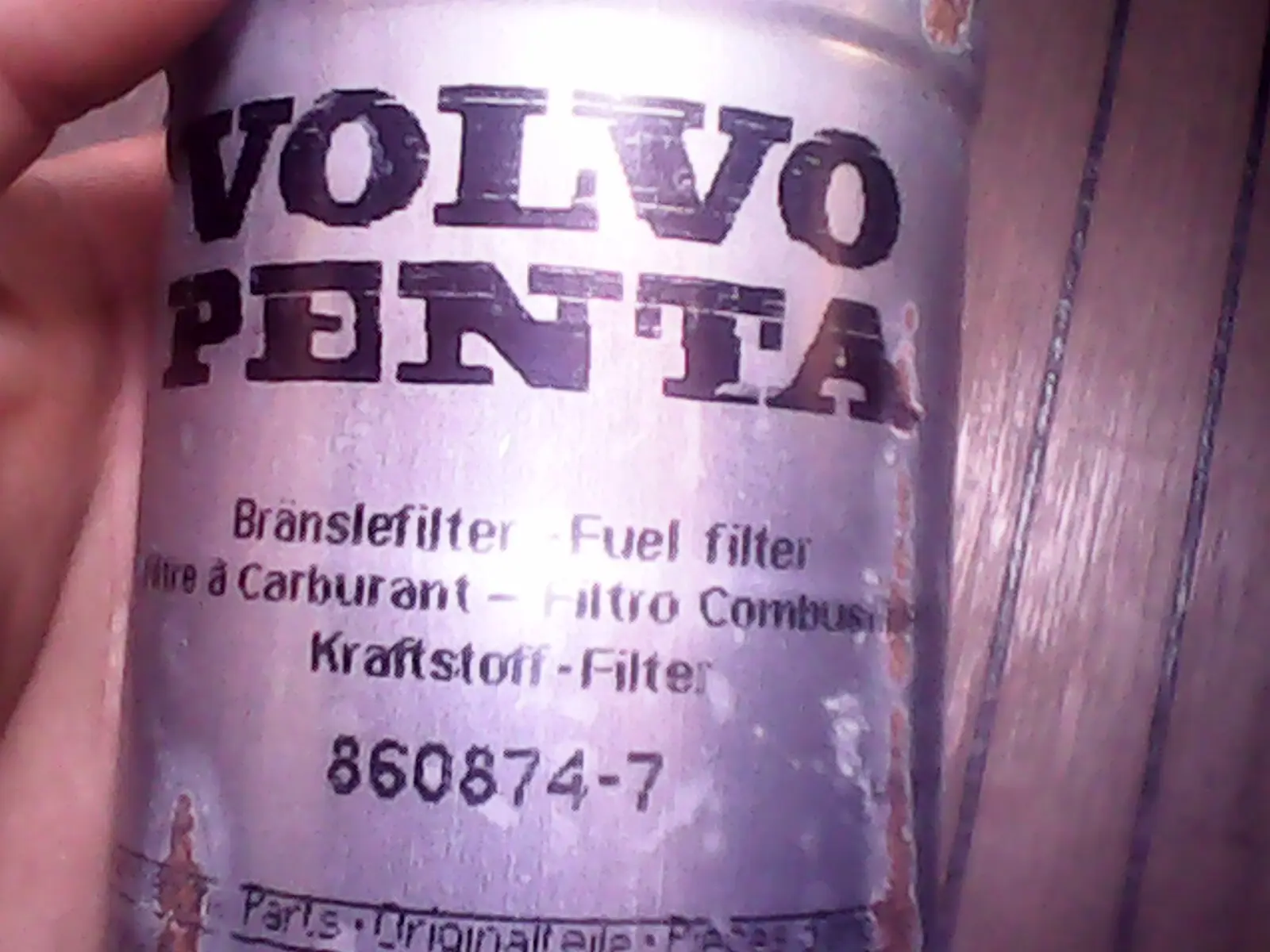
One of the most common causes of failure in diesel generators is contaminated or water-affected fuel. Microbial growth and condensation can build up in the fuel tank over time, clogging filters and damaging injectors. Regularly draining the water-separating primary filter and replacing fuel filters at the manufacturer's interval is the most effective way to protect combustion quality. On boats used infrequently, a fuel stabiliser additive and keeping the tank as full as possible to reduce condensation are both worthwhile habits.
Raw-water cooling system
A significant share of generator failures don't originate in the engine itself but in the cooling system. When the raw-water strainer clogs or the rubber impeller wears out, the engine can overheat rapidly and shut down automatically. Impeller vanes should be checked regularly for cracks or missing pieces, and when replacing one, make sure every fragment of the old impeller is removed from the cooling circuit — a broken-off vane piece can block the heat exchanger.
Electrical side: connections and monitoring
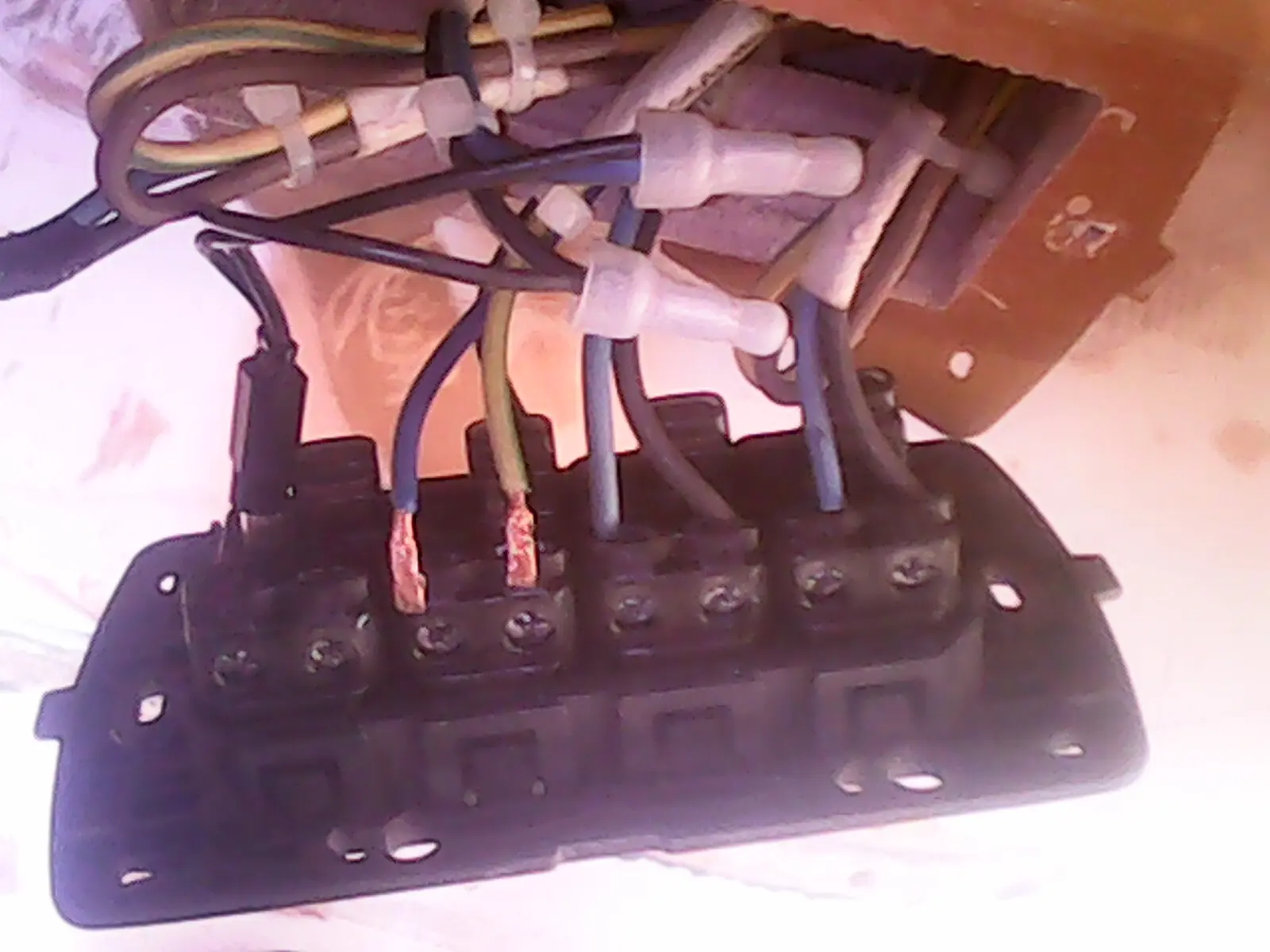
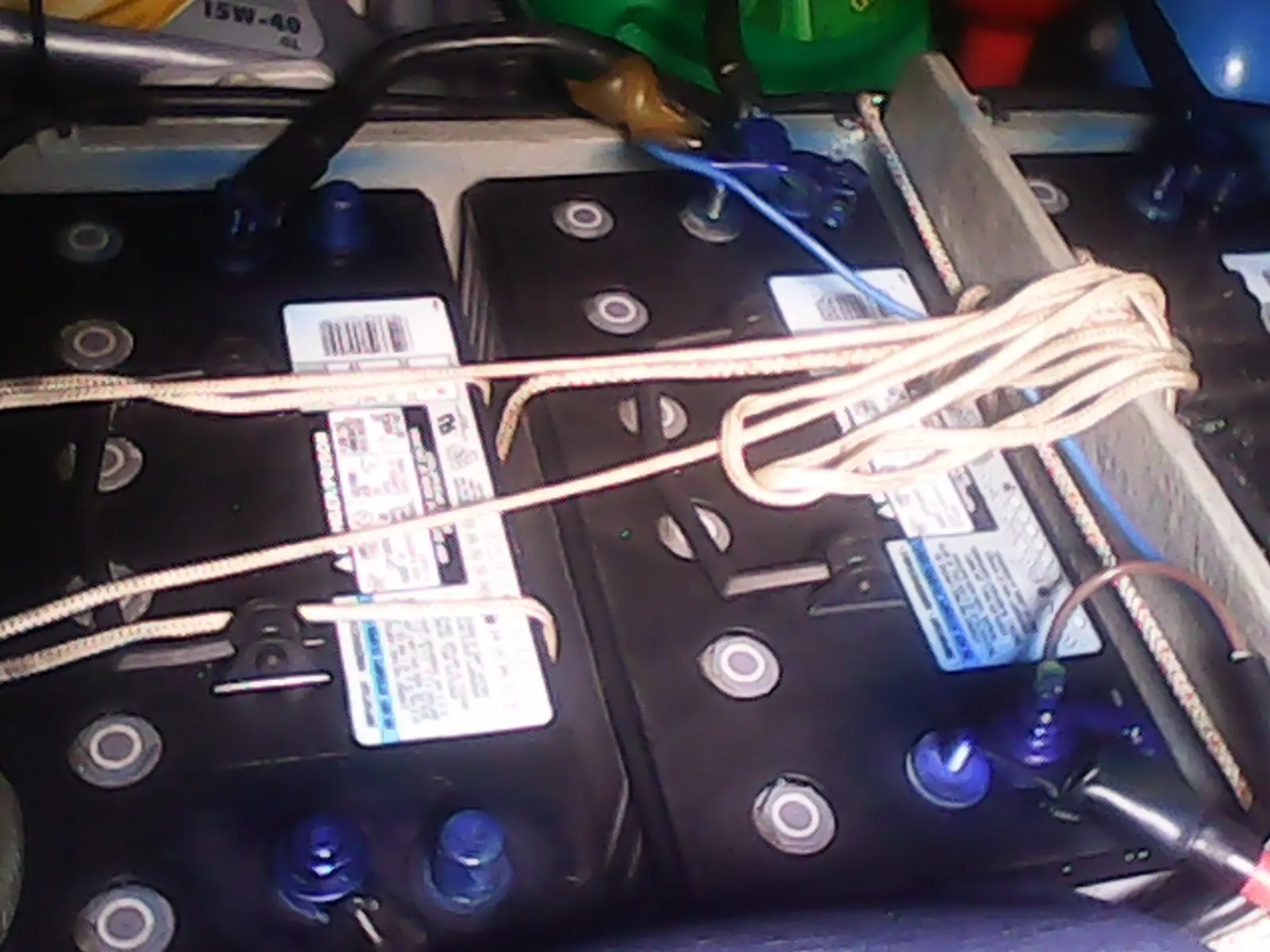
The generator's AC output connects to the main panel and transfer switch; keeping these connections tight and corrosion-free is critical for both safety and efficiency. On the battery side, starting battery condition and correct charging alternator operation should be monitored regularly. Keeping the generator panel's gauges and alarms (oil pressure, water temperature, overspeed) functional ensures a developing fault is caught early. ABYC standards also recommend proper fuse and cable sizing for generator circuits; we cover this in detail in choosing fuses and circuit breakers.
Common fault symptoms and likely causes
- Won't start / no crank: Weak starting battery, loose connection or a faulty fuel shut-off solenoid.
- Runs but stalls under load: Dirty fuel filter, clogged air filter or overloading.
- Overheats and shuts down automatically: Insufficient raw-water flow, clogged strainer or worn impeller.
- Voltage/frequency fluctuation: Regulator fault or loose AC connection.
- Excessive vibration: Worn engine mounts or loose mounting bolts.
Proper loading habits
A generator's longevity depends as much on how it's used as on maintenance. Diesel generators achieve their cleanest, most efficient combustion when run at a significant share of rated output (generally at least 50–60% load). A generator that's constantly run at very low load risks "wet stacking": unburned fuel accumulates in the cylinders, exhaust smoke and soot increase, and injectors and valves suffer damage over time.
In practice, this means switching on major consumers — air conditioning, watermaker, battery charger — together when the generator is running is healthier than letting it idle for hours just for a few lights. Planning your daily energy consumption correctly is the first step to optimising generator running hours; we cover this calculation in our guide to calculating daily energy consumption (Ah) on board.
The transfer switch (the switching system that toggles between shore power and the generator) should also be tested regularly. Making sure the switch never connects both sources to the panel at the same time is critical to protecting both the generator and the shore power circuit; we cover this in connecting to shore power at the marina.
Winterisation and long-term lay-up
Preparing the generator correctly at the end of the season ensures a trouble-free start in spring. Protecting the fuel system with a stabiliser additive, changing the crankcase oil and protecting the raw-water circuit with antifreeze are the most common practices. We cover this more broadly, in the context of the battery and electrical system, in our winterisation guide and, for spring, in our season-opening electrical checklist.
If the generator still won't start or keeps stopping despite maintenance, we list the likely causes and the order of checks in yacht generator not working: 10 possible causes.
Generator maintenance with Aslan Yacht
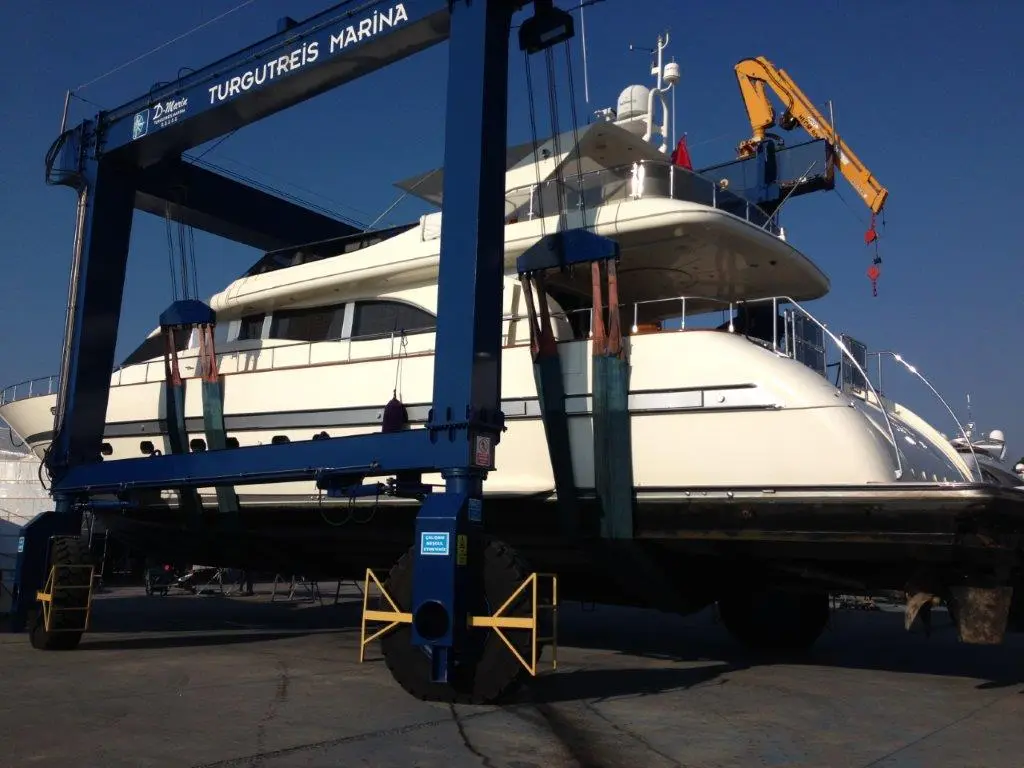
From our workshop in Turgutreis, we travel to marinas and boatyards across the Bodrum peninsula to check your generator's fuel, cooling and electrical systems against a periodic maintenance plan. Learn more about our climate and mechanical systems service, or get in touch to schedule your generator's maintenance.
Frequently asked questions
Does a generator need maintenance even if it isn't run every day?
Yes. Generators left idle often suffer from fuel degradation, moisture buildup in the crankcase oil and sediment in the raw-water circuit. Even if it isn't used, running it under load a few times a month and completing an annual service is important.
How often should the raw-water pump impeller be replaced?
Rubber-vane raw-water pump impellers are typically replaced every 12–24 months or at the interval the manufacturer specifies by running hours. If you see early signs of wear, replace it without waiting for the interval.
What does black smoke from the generator exhaust mean?
Black smoke usually points to incomplete combustion: a dirty air filter, overloading or an injector problem. If it persists, reduce the load and have it inspected promptly.