Hydraulic Gangway Maintenance and Common Faults (Besenzoni)
The gangway is the most visible hydraulic system used every day on a yacht. A practical maintenance and fault-finding guide for the power unit, cylinders and electrical control.
Hydraulic gangway maintenance matters both for safety and because it's the most visible system on a yacht, used every day. A gangway is a chain of hydraulic power unit, cylinders, valves, sensors and electronic control working together, and most faults trace back not to one component but to the weakest link in that chain. This article covers how hydraulic gangways — Besenzoni units in particular — are built, how to maintain them, and how to systematically diagnose common faults.
How does a hydraulic gangway work?
A typical telescopic hydraulic gangway has three basic movements: extend and retract (telescopic motion), raise and lower, and on some models, swing left-right. The main components behind these movements:
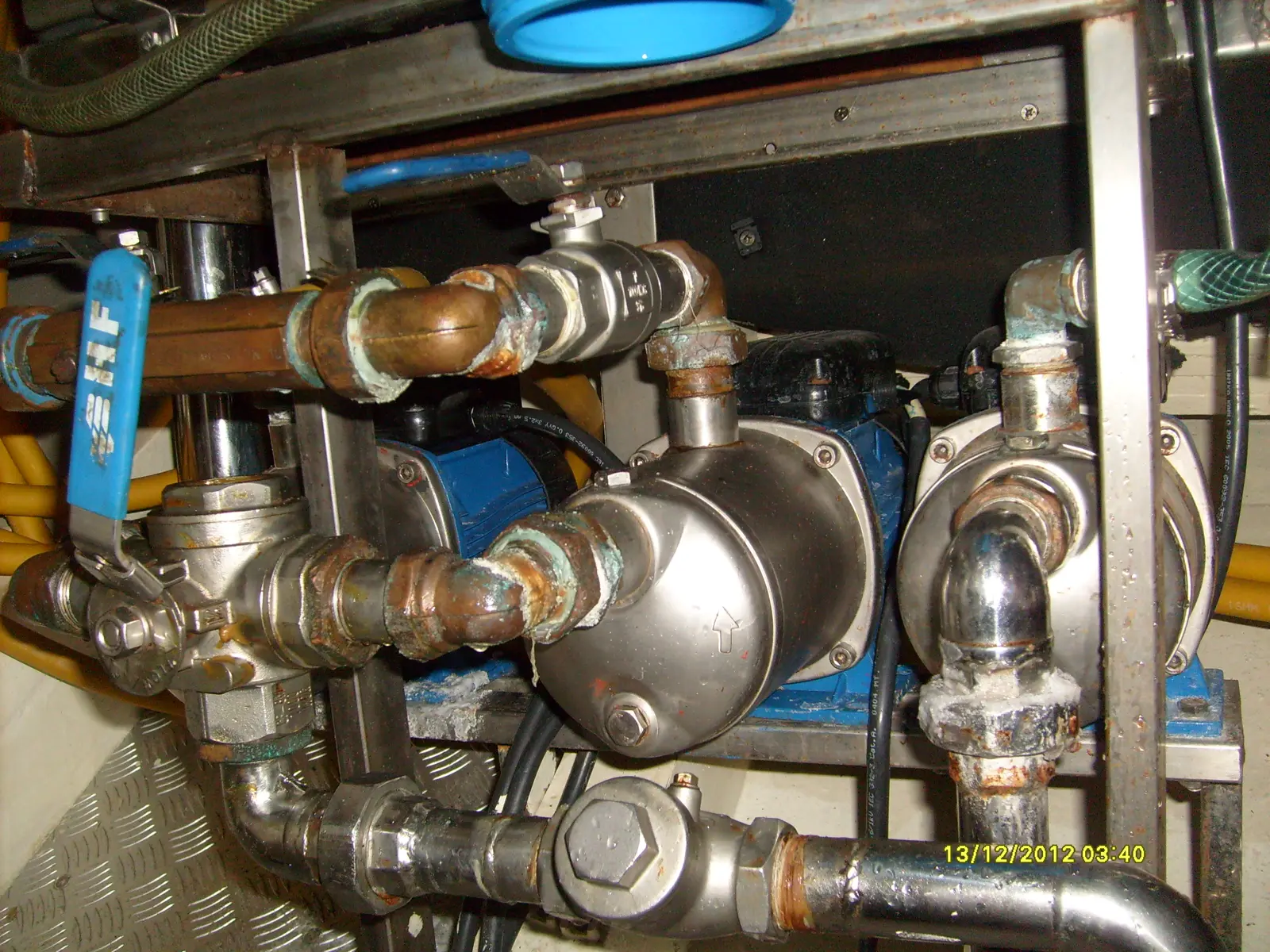
- Hydraulic power unit: A 12/24V DC-motor pump group, an AC-motor unit, or the boat's central hydraulic system. The oil tank, suction filter and pressure relief valve belong to this unit.
- Directional valves: Electrically operated solenoid valves; more advanced systems use proportional valves for smoother motion.
- Cylinders and hydraulic motors: A lifting cylinder, an extension cylinder, or a motor-and-chain mechanism for telescopic motion.
- Lock and check valves: Pilot-operated check valves stop the load from pushing the cylinder back once the gangway is parked.
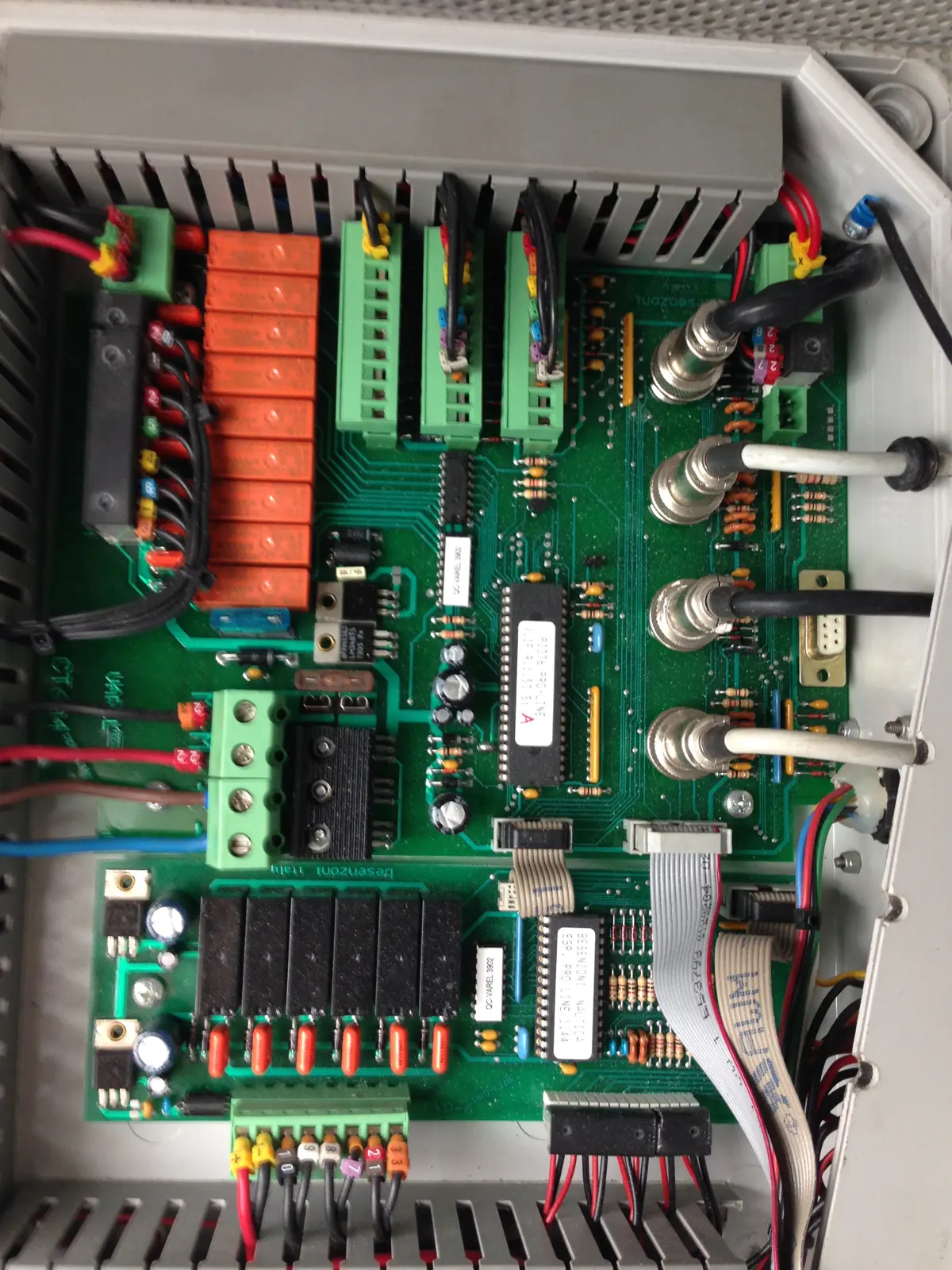
- Control electronics: Control box, relays, limit switches or inductive sensors, a wired panel and a wireless remote.
Besenzoni's current gangway range and control options are well covered on the manufacturer's gangway page. As an authorised dealer and service partner we work directly with the manufacturer on parts and technical documentation; see our authorised service page for details.
Routine maintenance: what to check, and how often
A gangway is constantly exposed to salt water, sun and pontoon impacts. Intervals should follow the manufacturer's manual, but the checklist below reflects the baseline routine we apply through the season under Aegean conditions.
After every use or weekly:
- Rinse the gangway and chrome shafts with fresh water to remove salt build-up.
- Check shafts for scratches, pitting or oil leaks.
- Confirm the movement is smooth, quiet and free of jerking.
Monthly, or more often under heavy use:
- Check hydraulic oil level and colour; foam or a milky tint points to water ingress.
- Inspect hoses and fittings for leaks, cracks and chafe.
- Lubricate hinges, pins and sliding surfaces with the manufacturer's recommended grease.
- Check the electrical junction box for moisture, corrosion and loose terminals.
At season start and season end:
- Assess the oil condition; change it and replace the filter if needed.
- Measure the power unit's supply voltage while the motor is running.
- Test limit switches and sensors and check their settings.
- Replace remote control batteries and test the emergency stop function.
Hydraulic oil cleanliness is one of the biggest factors in system longevity. Particulate contamination is expressed in ISO 4406 codes; dirty oil is behind most premature wear in valve and cylinder seals.
The electrical side: a hidden source of faults
A significant share of gangway faults are electrical, not hydraulic. DC-motor hydraulic units draw high current at start-up; if cable cross-section is undersized or connections have corroded, voltage drops at the motor terminals, the pump slows, and the gangway struggles to move. If the voltage measured at the motor terminal under load is noticeably lower than battery voltage, check cable sizing and connections. We cover the logic behind that calculation in our cable sizing article.
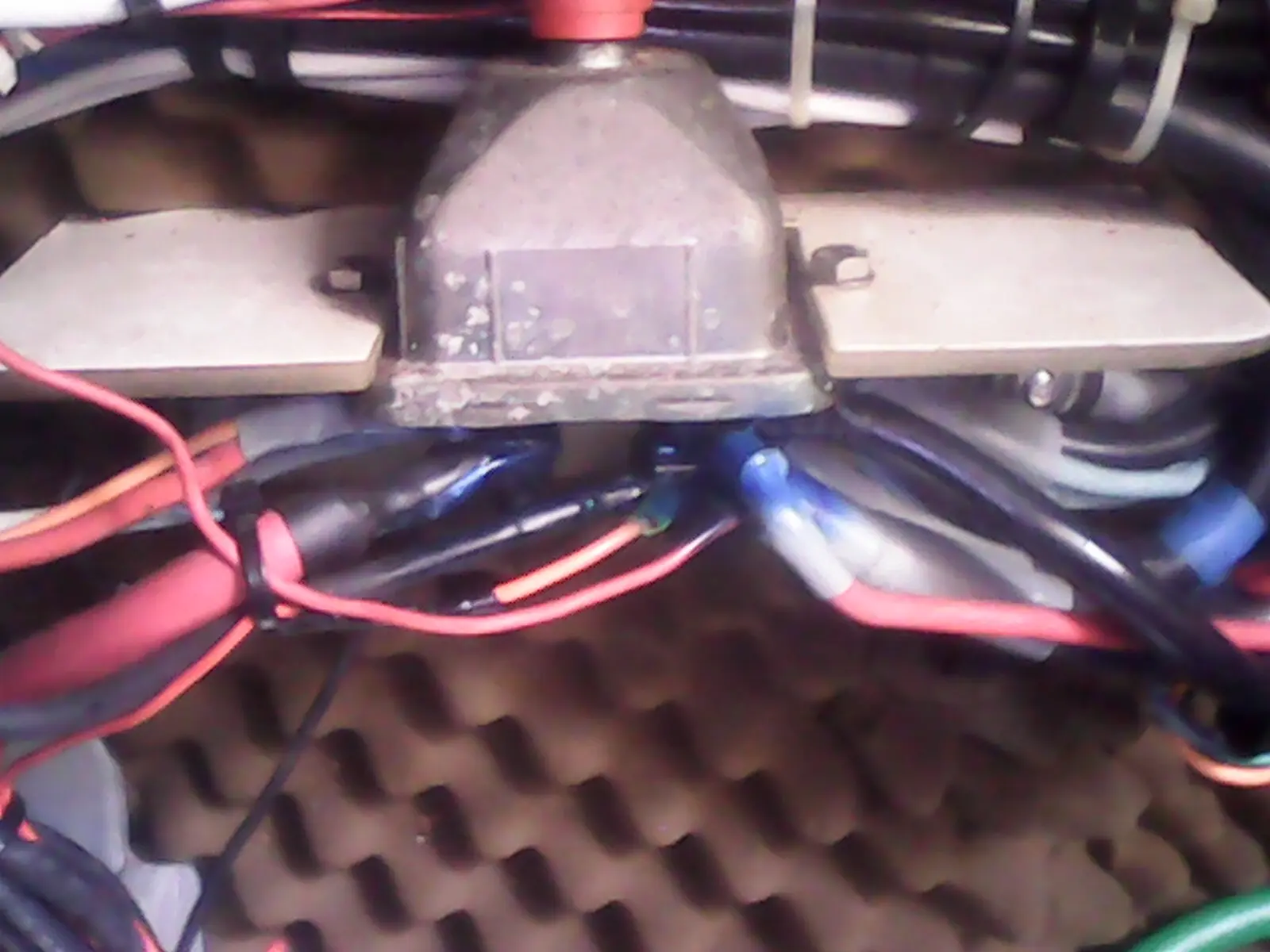
Junction boxes and sensor connectors at the stern are the points most exposed to sea spray. A corroded sensor connector can leave the gangway stuck mid-travel or trigger a false "limit reached" signal at the control box. Cleaning connectors and properly resealing them is often a more lasting fix than swapping parts.
Common faults and likely causes
| Symptom | Likely cause | First check |
|---|---|---|
| No movement, no motor sound at all | Fuse/breaker, relay, control supply, e-stop | Supply voltage, fuse, e-stop position |
| Motor runs but gangway doesn't move | Low oil, solenoid coil, clogged filter | Oil level, coil voltage and resistance |
| Movement slow or labouring | Voltage drop, worn pump, relief valve setting | Motor voltage under load, system pressure |
| Drifts down on its own after stopping | Cylinder internal seal leak, dirty or faulty check valve | Cylinder and check valve testing |
| Jerky, uneven movement | Air in the system, low oil | Bleed air, check oil level |
| Pump whines or hums | Cavitation, clogged suction filter | Suction line and filter |
| Wireless remote fails, wired control works | Battery, receiver supply, pairing | Battery, receiver LEDs, re-pair |
The most reliable diagnostic approach is to split the system into two chains — electrical and hydraulic — and check them separately: first confirm the correct voltage reaches the solenoid coils at the right moment, then confirm pressure is actually building on the hydraulic side. That order avoids swapping parts unnecessarily.
A closer look at self-lowering
A gangway sinking a few centimetres over a few hours while parked is one of the most common complaints we get. Two suspects: the lifting cylinder's internal seal and the pilot-operated check valve that locks the cylinder. If the cylinder's internal seal leaks, oil passes from one side of the piston to the other with no external leak visible. A small particle stuck on the check valve's seat produces the exact same symptom. Correct diagnosis means isolating the lines one at a time to find where pressure is being lost. Cleaning is usually enough for a check-valve fault, but if it recurs, oil cleanliness needs addressing directly.
Practical notes for safe use
- Don't let the gangway rest fully against the pontoon — leave a small gap; tide and swell will otherwise stress the structure and hinges.
- Don't move the gangway in windy conditions or when a neighbouring boat is very close.
- Before getting underway, confirm the gangway is fully retracted and locked.
- In damp winter months, keep the control box dry.
- Don't leave the gangway extended for long periods; telescopic sections and seals left out in sun and wind wear faster.
- Keep remote control codes and a spare remote somewhere secure on board; a lost remote means running the system from the fixed panel only until it's re-paired.
The emergency scenario deserves thought too. Crew should know how to manually retract the gangway if the power unit or electrical supply fails, which valve to open, and where the hand pump is. Running through this procedure once at the start of the season avoids a stressful moment at departure time in the marina.
Similar principles apply to other hydraulic gear such as swim platforms and tender cranes — we cover those in our hydraulic platform and crane faults article. The same basic logic also applies to other manufacturers' systems, such as Idromar.
Gangway service with Aslan Yacht
Our Turgutreis-based team maintains hydraulic gangways, diagnoses faults and repairs electrical controls at D-Marin, Palmarina, Milta Bodrum Marina and boatyards across Bodrum. Take a look at our hydraulic systems service or get in touch with us about the gangway on your boat.
Frequently asked questions
How often should gangway hydraulic oil be changed?
The interval depends on the manufacturer's guidance and how hard the unit is used. If the oil is cloudy, foamy, has darkened, or water has clearly entered the system, change it regardless of schedule and find the cause.
What should I do if the gangway's remote control stops working?
First check the remote's battery and the receiver unit's power supply, then try the system from the fixed panel or wired control. If the fixed control works, the problem is most likely in the wireless remote or its pairing.
Can the gangway be moved while someone is on it?
No. No one should be on the gangway while it's moving, and the manufacturer's stated load capacity must never be exceeded. Clearance to the pontoon and any nearby boat should be watched constantly during movement.