Yacht generator won't start or run: 10 possible causes
Most generator faults start not inside the engine but in the battery, fuel, seawater and control circuit. Ten likely causes and the order of checks we follow on board.
When a yacht generator stops working, the air conditioning, watermaker and galley go quiet at once; on a motor yacht at anchor that means the battery bank empties within hours. The good news is that most generator faults start not inside the engine but in the battery, fuel, seawater and control circuit. In this article we go through the ten causes we meet most often in the field, by symptom and in the right order of checks.
First, describe the symptom correctly
Generator faults show up in three main patterns, each needing a different sequence of checks:
- Won't crank: the starter motor does not turn, or turns very slowly.
- Cranks but won't run, or stops soon after starting: the engine turns but does not fire, or runs for a few seconds and shuts down.
- Runs but gives no power, or stops under load: the engine runs but no power reaches the panel, or it drops out when load is applied.
If the control panel shows an error code or alarm light, write it down; it is the most valuable clue in fault finding. The conditions also matter: did it start on the first cold start in the morning, after a long run, or when a particular load switched in? This tells you which of the ten causes below to check first.
If it won't crank
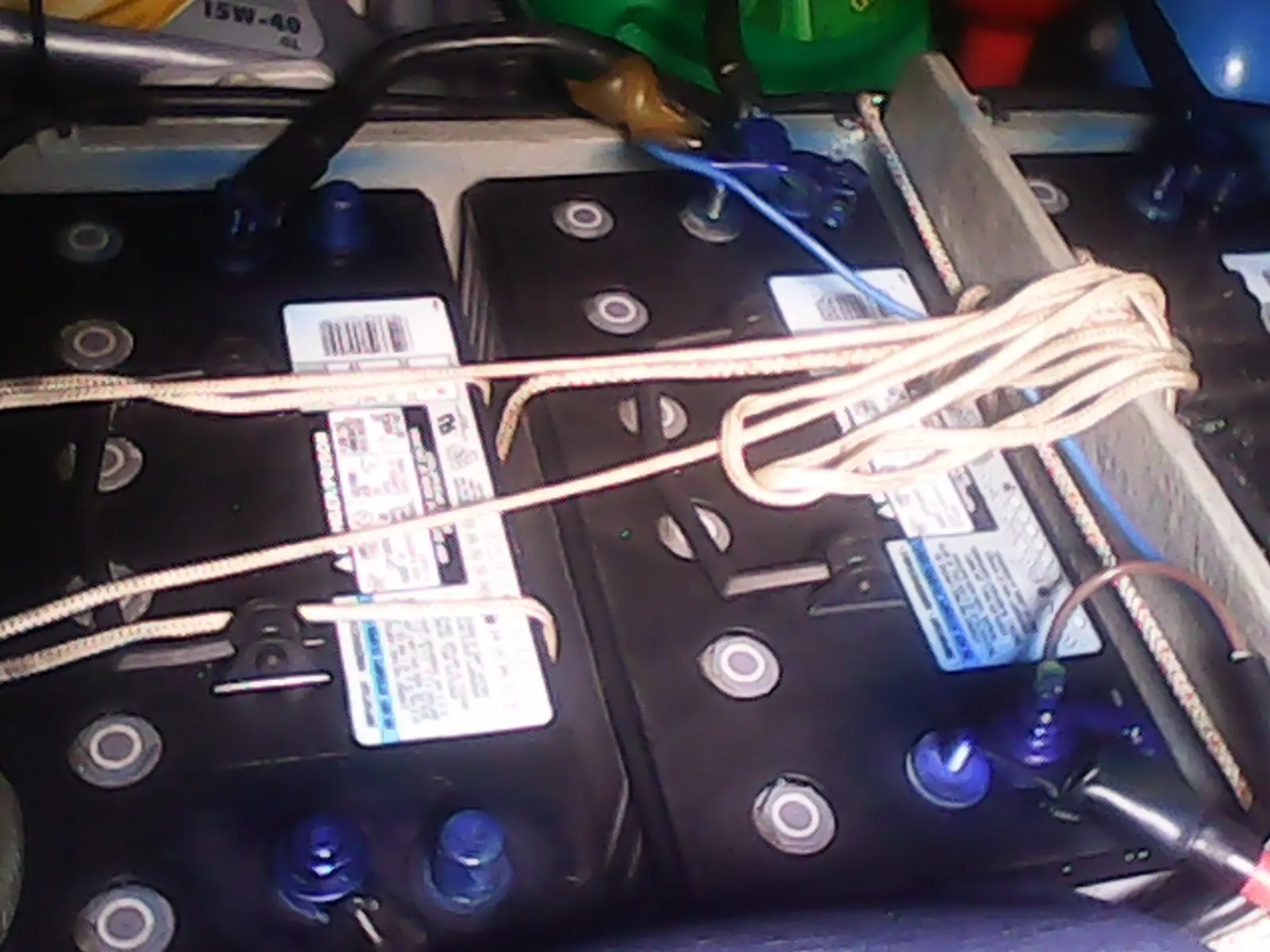
1. Weak starting battery or loose connection
This is the most common cause. The generator's starting battery is often a separate battery that gets neglected while the house bank is being charged. Measuring voltage under load and checking terminals and lugs is the first step. The checks in our article on boat battery care apply here too.
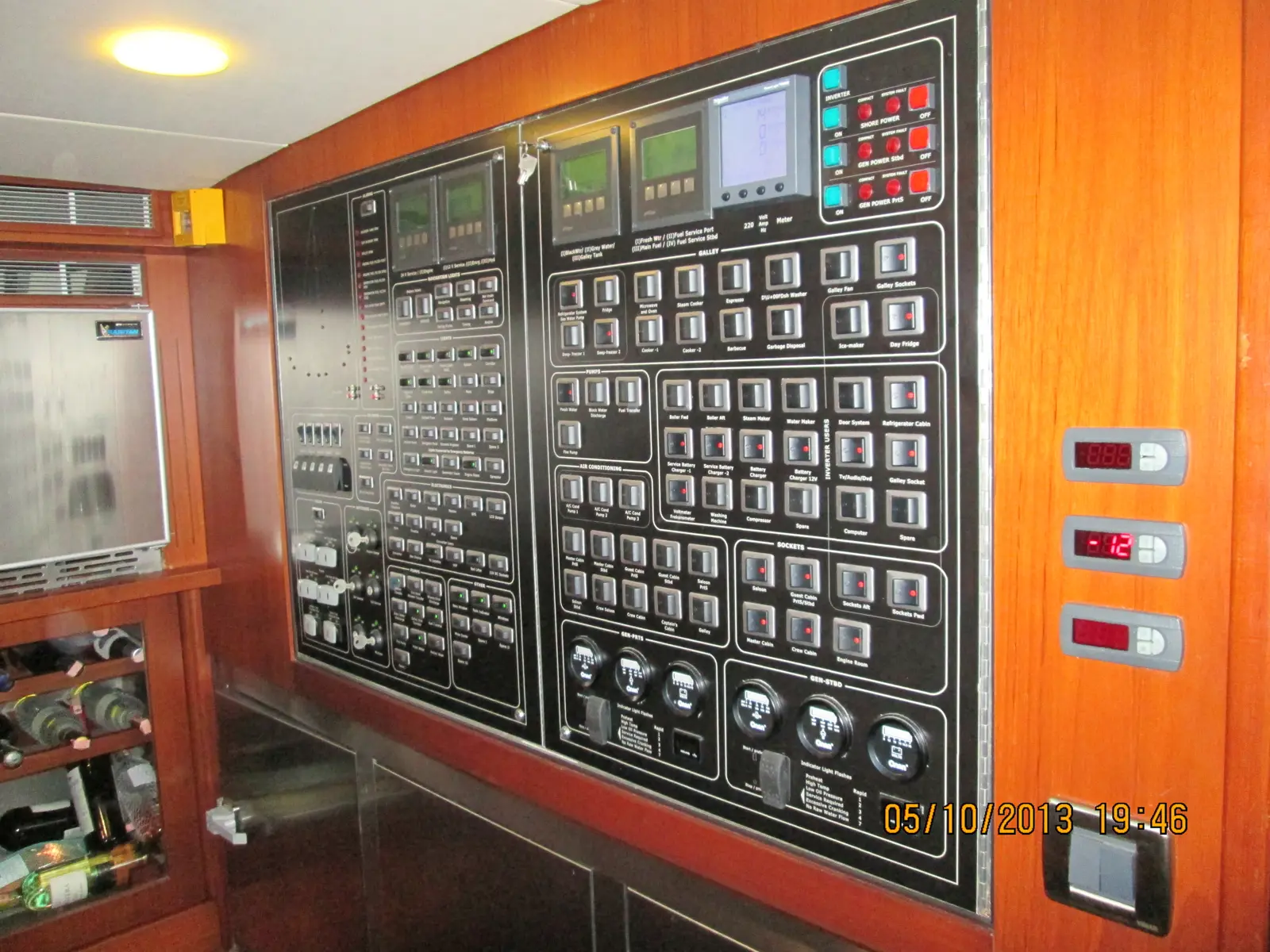
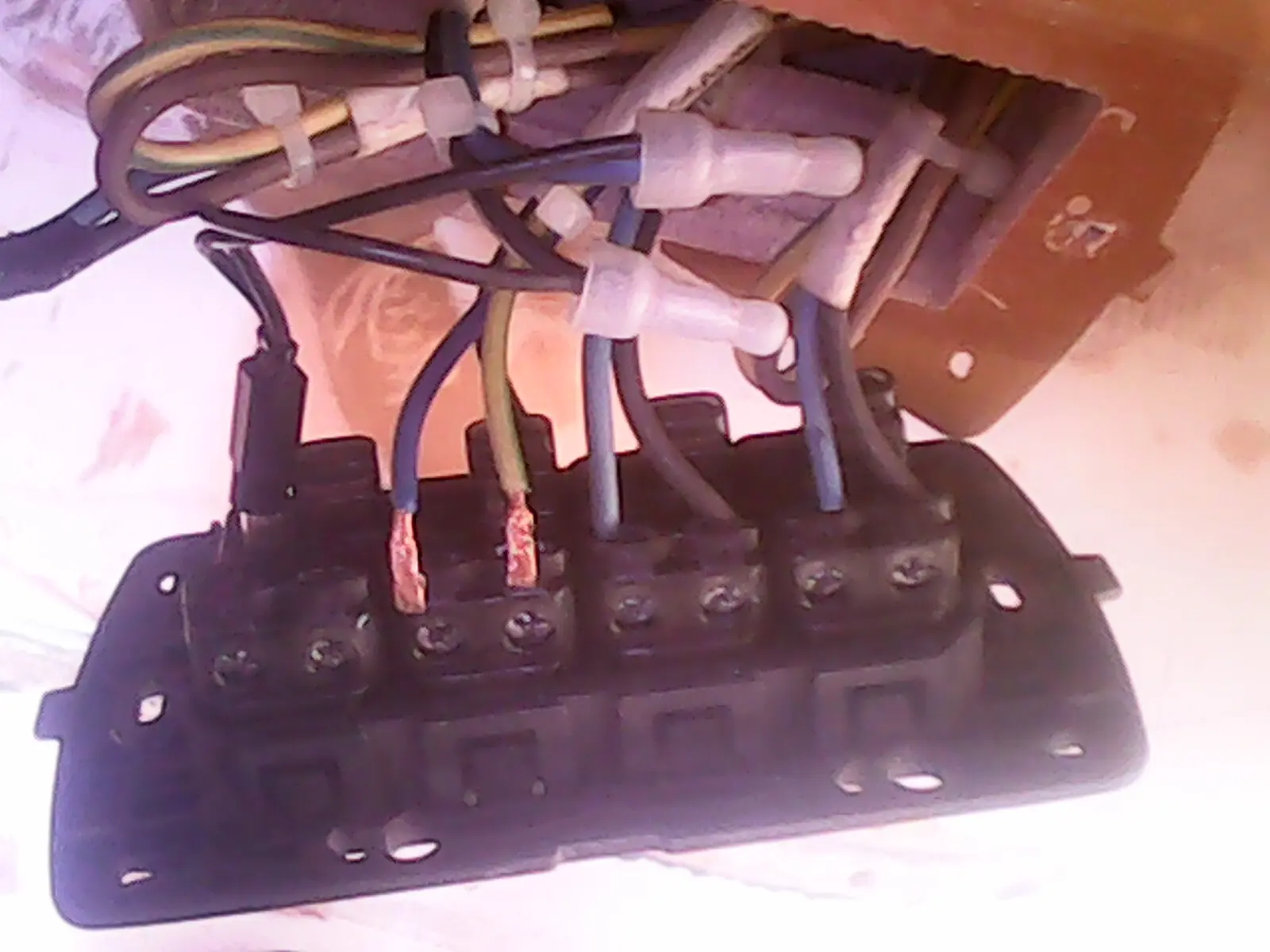
2. Control circuit, fuse or emergency stop
A blown control panel fuse, a faulty start relay, a remote start panel connection or an emergency stop left pressed will block cranking. If the panel shows no lights at all, the problem is most likely in the supply and fuse.
If it cranks but won't run
3. No fuel, or air in the system
A closed fuel valve, an empty tank or a system not bled after a filter change are common causes. Diesels will not run with air in the fuel line; follow the manufacturer's bleeding sequence.
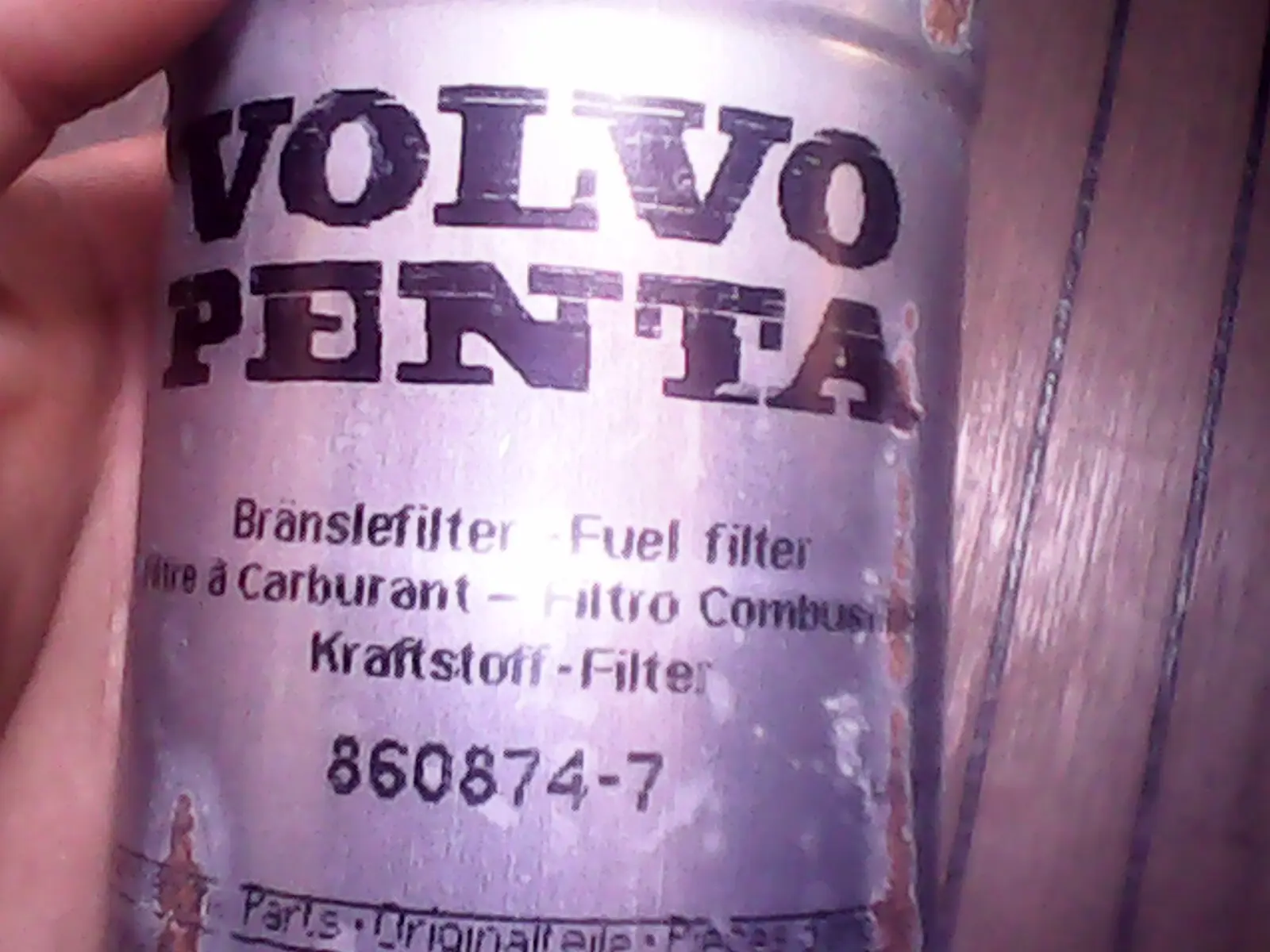
4. Blocked fuel filter or water in the fuel
Water and microbial contamination in the tank clog the filter quickly. If water or sediment shows in the bowl of the water-separating pre-filter, the tank needs attention as well as the filter. Service intervals are listed in our boat generator maintenance checklist.
5. Fuel shut-off (stop) solenoid
Many generators have a fuel solenoid that stops the engine. A coil that is not energised, an oxidised connection or mechanical sticking will let the engine turn without firing. Check by measuring whether the solenoid receives voltage while cranking.
An important warning at this stage: on generators with water-cooled exhaust, cranking for a long time without the engine firing can flood the exhaust system and cause serious engine damage. After a few short attempts, stop and find the cause.
If it runs and then stops
6. No seawater flow: high temperature shutdown
A closed seacock, a blocked strainer or a broken pump impeller cuts the cooling water, and the generator stops on high-temperature protection. If water is not coming out of the exhaust at the normal rate, stop the generator immediately. Also check whether pieces of a broken impeller have travelled into the heat exchanger. Keeping a spare impeller on board saves hours in mid-season.
7. Low oil pressure alarm or faulty sensor
If the oil level is low, the engine stops to protect itself. If the level is correct, the sensor or its wiring may be giving a false alarm. Running with the sensor bypassed is dangerous; measure the real oil pressure first.
8. Restricted air intake or exhaust
A clogged air filter, a crushed exhaust hose or too much water in the water-lift muffler makes the engine lose power and stop. Black smoke is a frequent sign in this picture.
If it runs but gives no power, or stops under load
9. Output breaker, source selector or voltage regulator
If voltage and frequency at the generator output are normal, the problem lies on the way to the panel: a tripped output breaker, a source selector in the wrong position or a faulty transfer contactor. If there is no or low voltage at the output, the voltage regulator (AVR) and excitation circuit are examined. We explain safe changeover between shore power and generator in our article on shore power at the marina.
10. Overload or unstable speed
When air conditioning compressors, the water heater and the watermaker all switch in together, generator capacity can be exceeded; frequency drops and the protection trips. A fuel restriction or governor problem also makes speed sag under load. The fix is often to stage the loads and plan the load list around generator output; load management is a key part of our motor yacht electrical work.
Quick diagnosis table
| Symptom | Most likely causes | First check |
|---|---|---|
| Starter does not turn | Weak starting battery, fuse, emergency stop | Battery voltage under load, panel supply |
| Turns but does not fire | No fuel, air, filter, stop solenoid | Fuel valve, filter bowl, solenoid voltage |
| Stops on high temperature within minutes | No seawater flow | Seacock, strainer, impeller, exhaust water |
| Stops on oil pressure alarm | Low oil or sensor fault | Oil level, real pressure measurement |
| Black smoke, loss of power | Air filter, exhaust restriction, overload | Filter, exhaust line, load list |
| Runs but no power at the panel | Output breaker, source selector, AVR | Measure V and Hz at generator output |
| Stops when load is applied | Capacity exceeded, fuel restriction | Stage loads, check fuel line |
Preventing faults: short checklist
- Check oil and coolant levels before every start.
- Make sure the seacock is open and the strainer is clean.
- After starting, confirm water flows from the exhaust at the normal rate.
- Check the fuel pre-filter bowl regularly and drain any water.
- Check the starting battery's charge and terminals regularly.
- Avoid running the generator for long periods at very light load.
- Record alarms and error codes with the date and conditions.
Generator service with Aslan Yacht
Generator faults often appear where mechanics, electrics and the control circuit meet, so we measure all three together. From our workshop in Turgutreis we visit marinas and boatyards across the Bodrum peninsula to check your generator's starting, fuel, cooling and AC output circuits. See our yacht mechanical and climate page for details, or request service through our contact page.
Frequently asked questions
If the generator cranks but will not start, should I keep cranking?
No. On generators with water-cooled exhaust, long cranking keeps the seawater pump running while the engine does not fire, which can flood the exhaust system and then the cylinders. After a few short attempts, stop and find the cause.
The generator runs but no power reaches the panel. Why?
The problem is usually in the generator output breaker, the source selector, the transfer contactor or the voltage regulator (AVR). Measuring voltage and frequency at the generator output tells you whether the fault is in the generator or the panel.
Can I restart a generator that stopped on high temperature?
Find the cause first. The most common one is lost seawater flow: a closed seacock, a blocked strainer or a broken pump impeller. Restarting before fixing it can damage the engine and exhaust hoses.