Winterizing a yacht's electrical system: a practical guide
In winter the real enemy of batteries, cables and electronics is not the cold but self-discharge, humidity and small forgotten loads. Here is how to prepare your yacht's electrical system.
When owners think about winterizing, the engine and the fresh water system usually come first, yet a yacht's electrical system needs at least as much attention over winter. A battery bank that slowly self-discharges for months, an unnoticed parasitic load or a connector oxidised by humidity can turn spring into an expensive start. In this guide we share the sequence we follow and the points we watch when preparing the electrical system for winter.
Winter in Bodrum: afloat or ashore?
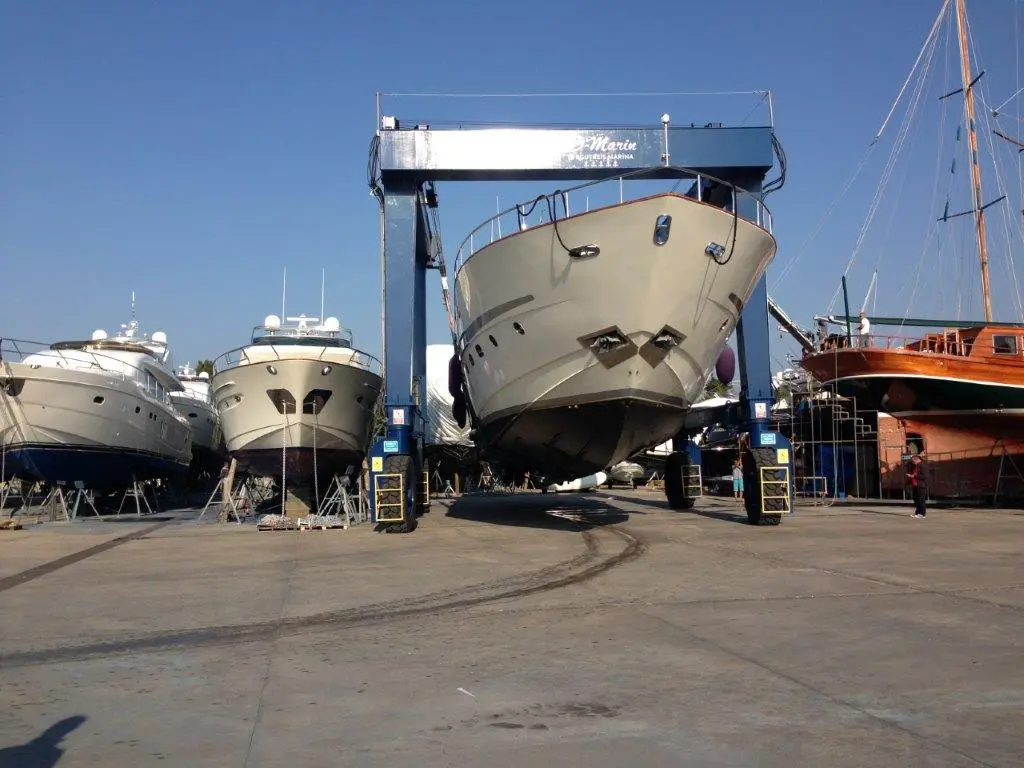
On the Bodrum peninsula many yachts spend the winter afloat in a marina, while others are hauled out at a boatyard. Electrically, the two scenarios have different needs:
- Wintering afloat: bilge pumps must stay operational, the shore power connection must be safe and galvanic protection must remain in place. Remember that in southerly (lodos) gales the cable and plug are under strain as well as the lines and fenders.
- Wintering ashore: there is often no shore power, or only limited supply. The battery bank must be fully isolated from loads and left in a state where it can stand on its own for months.
In both cases the common enemy is less the cold than humidity and long-term discharge. High relative humidity in an Aegean winter speeds up oxidation of terminals, fuse holders and connectors inside a closed boat.
Battery bank: storage by chemistry
How batteries should spend the winter depends on their chemistry. The table summarises our general approach; the battery manufacturer's values always take precedence.
| Battery type | Storage state of charge | With charger connected | Without charger |
|---|---|---|---|
| Flooded lead-acid | 100% | Float or storage mode (about 13.2–13.5 V for 12 V) | Monthly voltage check, recharge before it drops below 12.4 V |
| AGM / Gel | 100% | Manufacturer's float/storage value | Check and recharge every 1–2 months |
| LiFePO4 | About 50–60% | Lithium profile; storage setting if available | Isolate from loads, allowing for the BMS's own consumption |
Lead-acid batteries left partially charged sulphate, and the capacity loss becomes permanent, so they should be kept full. LiFePO4 batteries, by contrast, dislike sitting at 100% for long periods and age better at an intermediate state of charge. For more on battery types and maintenance, see our article on caring for boat batteries.
If a charger will stay connected all winter, make sure it can genuinely switch to storage mode. Like the chargers from Victron Energy, many modern units offer a low-voltage storage stage for long idle periods. If you want your installation and settings reviewed, our team is experienced with Victron Energy products.
Starter batteries and separate banks
Engine starter batteries, the generator battery and the bow thruster bank are often charged separately from the house bank. Treat each bank individually when winterizing: check that every charger output is connected and that battery combiners or DC-DC chargers are not drawing unnecessary standby current. Banks that will not be used for a long time are safest fully isolated by switching off their main battery switches.
Find and isolate parasitic loads
Even with the main switch "off", some devices are wired directly to the batteries: the automatic bilge pump circuit, alarms, remote monitoring modules, some charge controllers and battery monitors. Some of these are needed; others are not.
To measure the total parasitic current, disconnect the battery negative and insert a multimeter on its milliamp range, or use a sensitive DC clamp meter. A few tens of milliamps looks negligible at first, but a constant 40 mA load adds up to about 115 Ah over 120 days, enough to seriously drain a mid-sized house bank.
If a battery monitor is fitted, it is the most practical way to follow the state of charge through the winter. Shunt-based devices such as Victron's battery monitors measure small currents accurately and show the real effect of a parasitic load. If you want to follow the boat remotely, GSM or Wi-Fi monitoring systems are another option.
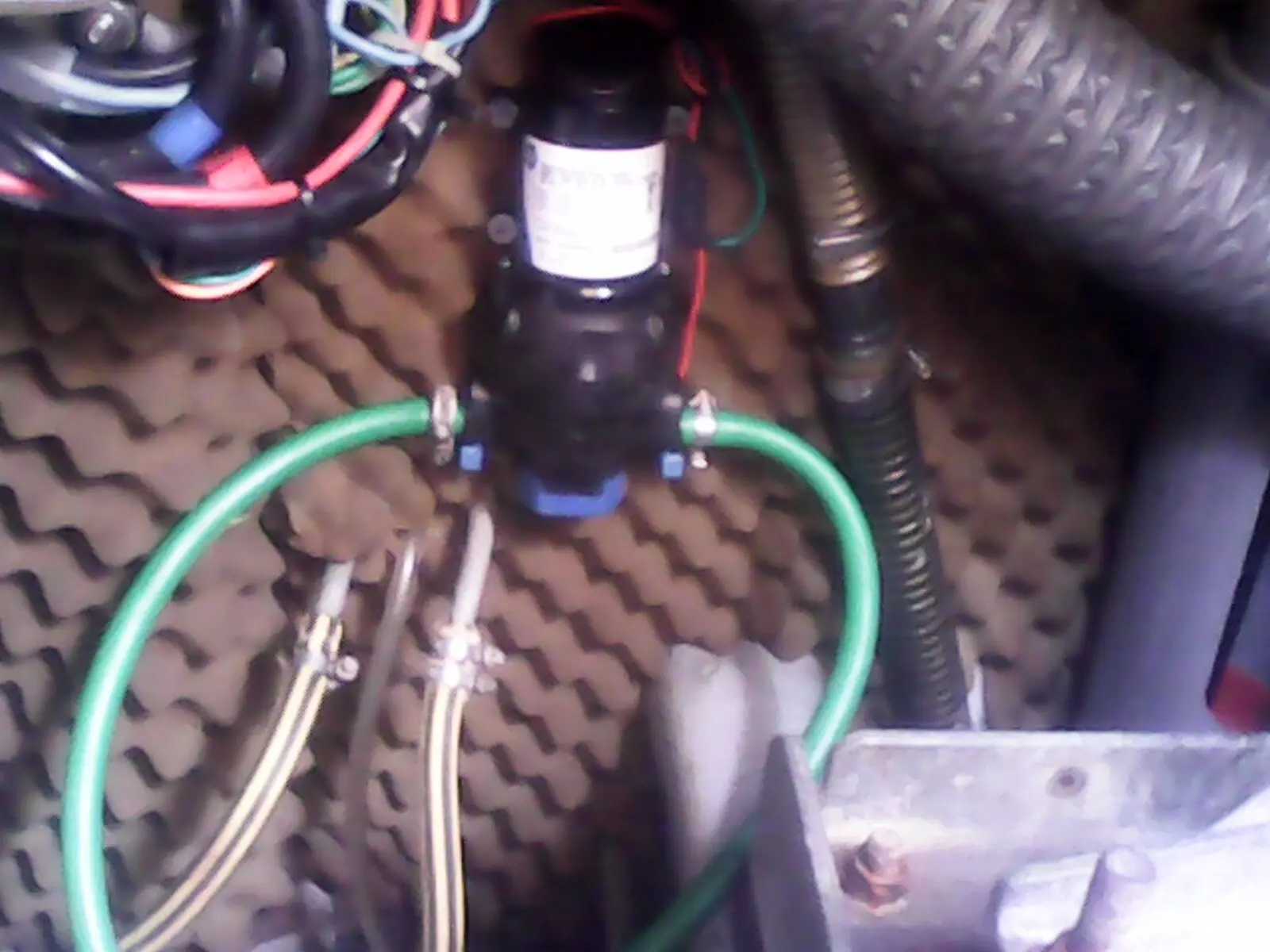
The one exception when isolating loads is the bilge system. The automatic bilge pump circuit must be fed directly from the battery side, ahead of the main switch and with its own fuse, and you should lift the float switch by hand to see that the pump really runs. For pump, float switch and alarm layouts, see our article on bilge pumps and alarm systems. The boats that suffer most over winter are often those whose battery went flat and whose bilge pump stopped.
Shore power and galvanic protection
Boats wintering afloat usually stay on shore power continuously. In that case:
- Inspect the cable and plug; replace them if the pins show darkening or signs of melting.
- Test the inlet breaker and residual current protection with the test button.
- Without a galvanic isolator or isolation transformer, expect anodes to wear faster than usual over winter. Details are in our article on galvanic corrosion and isolation transformers.
- Avoid unattended electric heaters and extra extension leads; if a dehumidifier is used, feed it from a fixed, fused socket and route the condensate to a drain rather than the bilge.
Equipment-specific winterizing notes
Watermaker: a watermaker that will stand idle for a long time needs its membrane flushed and pickled with a preservative solution as the manufacturer recommends. We do this routinely in our workshop on Leo Mare watermaker systems, and we describe the steps in our article on watermaker membrane care and pickling.
Diesel heater: running diesel cabin heaters briefly once a month, even out of season, helps keep the fuel pump and burner healthy.
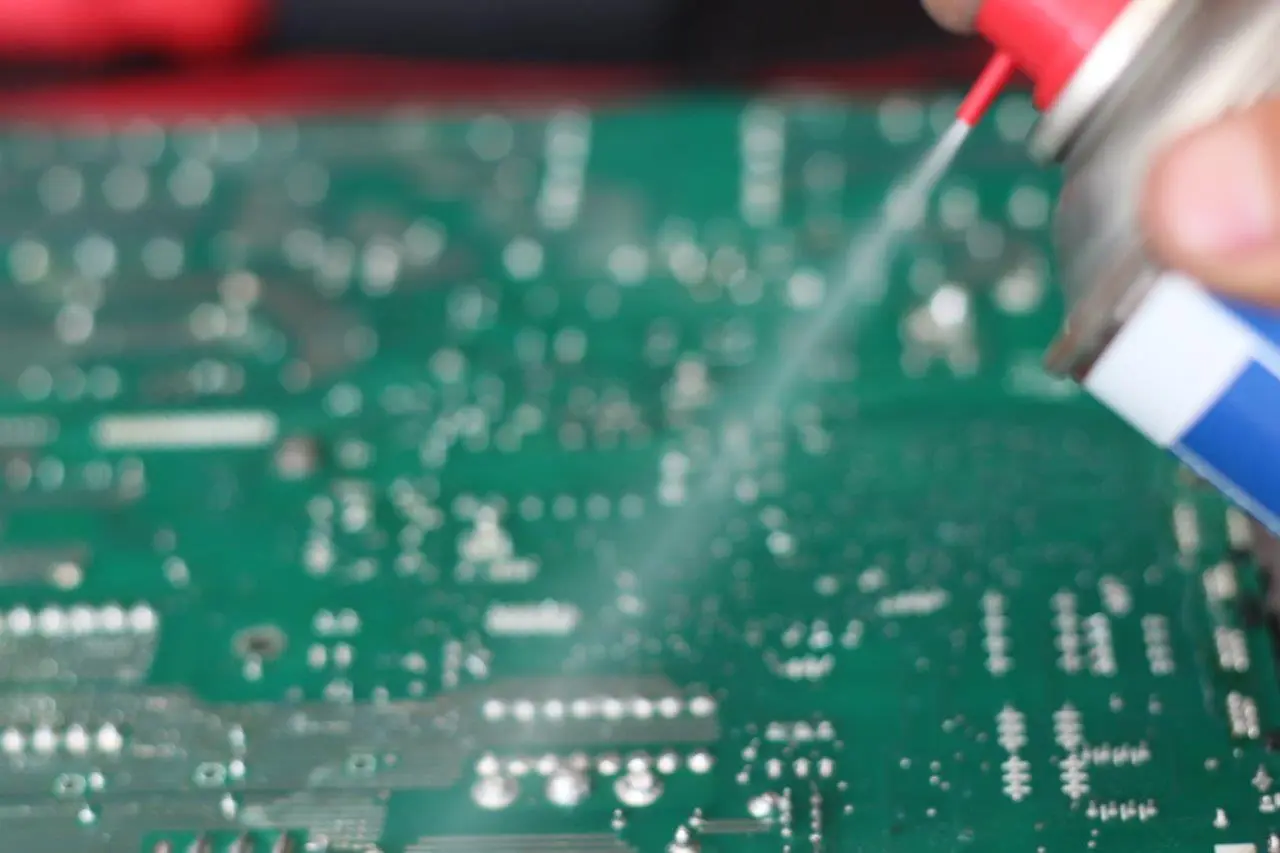
Electronics: cover cockpit displays with their sun covers and store removable units somewhere dry. Clean deck connectors with contact cleaner and seal them with a suitable protectant.
Windlass, bow thruster and generator: check the high-current terminals and clean any oxidation. Store the generator's starter battery with the same logic as the house bank.
Air conditioning and seawater pumps: flush the seawater circuit of air-conditioning units that will not be used with fresh water and switch off the pump breakers. On a boat that stays afloat, check that the seacocks are closed and that no automatic circuit is left that could run a pump dry.
Lighting and deck equipment: visually inspect the cable entries of navigation lights, underwater lights and deck floodlights. A fitting with a damaged seal or cable gland can take in water over winter and short-circuit in spring. Repairing these in winter, when workload is low, is the smart move.
Step-by-step winterizing list
- Switch off all consumers; empty the fridge and freezer and leave their doors ajar.
- Bring each battery bank to the state of charge suited to its chemistry.
- Measure the parasitic current and isolate unnecessary loads.
- Test that the automatic bilge pump circuit is wired directly to the battery side and works.
- If shore power stays connected, check the cable, plug, breaker and residual current protection.
- Pickle the watermaker and add the heater and generator to the winter maintenance plan.
- Clean and protect deck connectors and exposed terminals.
- Note what you did and the values you measured; the record makes spring much easier.
Winterizing and spring preparation with Aslan Yacht
Our Turgutreis-based team prepares your yacht's electrical system for winter in marinas and boatyards around Bodrum and schedules battery and shore power checks through the season. In spring we bring the boat back into service with our season commissioning electrical checklist. See our energy and battery systems page for details or contact us.
Frequently asked questions
Do batteries need to be removed from the boat for winter?
The Bodrum climate is usually not cold enough to freeze batteries, so removal is rarely necessary. What matters is keeping each battery at the right state of charge and isolated from parasitic loads.
Should a lithium battery be left fully charged over winter?
LiFePO4 batteries are usually stored at around 50–60% state of charge for long periods; check the battery manufacturer's recommendation for the exact figure. If a charger stays connected, verify its lithium profile and storage settings.
Is it safe to leave a boat on shore power over winter?
Yes, provided the cable, plug and inlet breaker are in good condition, the charger is in storage mode and a galvanic isolator or isolation transformer is fitted. Unattended heaters and extension leads should be treated as a risk.